

 Smaller
 Bigger
Abinader addresses Iran war impact: warns of rising fuel, electricity, and food costs for Dominican households

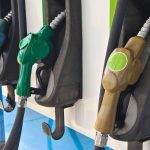
File photo
Santo Domingo.- President Luis Abinader addressed the nation in a televised speech following 23 days of conflict in Iran, which has already triggered a 15 pesos increase in gasoline prices in the Dominican Republic. While assuring that the country is prepared to face the external shock, he warned that rising global oil prices could also impact electricity rates, transportation costs, and some food products.
The president called for awareness, responsibility, and shared sacrifice, emphasizing that the government is taking measures to protect economic stability. He outlined three key priorities: maintaining macroeconomic and fiscal balance, supporting vulnerable households, and sustaining public investment to keep economic growth on track. As part of these efforts, the government has identified approximately 10 billion pesos within the national budget to strengthen social programs without increasing overall spending.
To prevent rising agricultural costs from affecting food prices, Abinader announced the reinstatement of a fertilizer subsidy with an initial allocation of one billion pesos. He also confirmed that Liquefied Petroleum Gas (LPG) prices will remain unchanged due to its importance for low-income households, while fuel subsidies—some exceeding 100 pesos per gallon—will continue despite mounting fiscal pressure.
However, the president acknowledged that the international crisis will require unavoidable adjustments. He warned that higher oil prices—rising from the US$65 per barrel projected in the 2026 budget to nearly US$100—are already straining public finances. Recent fuel price increases between 5.2% and 6.7% are part of a gradual strategy to reduce subsidies, which are expected to decrease by at least 12 billion pesos for the remainder of the year.
Abinader stressed that the Dominican Republic remains in a strong financial position, with solid liquidity, access to international financing, and reserves exceeding US$16 billion. He noted that the government will absorb much of the impact but urged businesses and citizens to contribute by optimizing fuel consumption and adopting efficiency measures such as remote work.
Looking ahead, the president highlighted the need to reduce dependence on fossil fuels and accelerate the transition to renewable energy. He emphasized that the current global crisis underscores the importance of building a more resilient and diversified economy capable of withstanding external shocks.
Despite the challenges, Abinader reaffirmed the government’s commitment to protecting purchasing power and maintaining economic stability. “The greatest risk is not making responsible adjustments today, but postponing decisions and facing greater costs tomorrow,” he stated, expressing confidence in the resilience of the Dominican people.














The little people are the masses and they will have to always pay for the chosen few big ones mistakes.