 Smaller
 Bigger
Law, Capital, and the Startup Frontier: Jean Marco Pou Fernández on Structuring Dominican Innovation
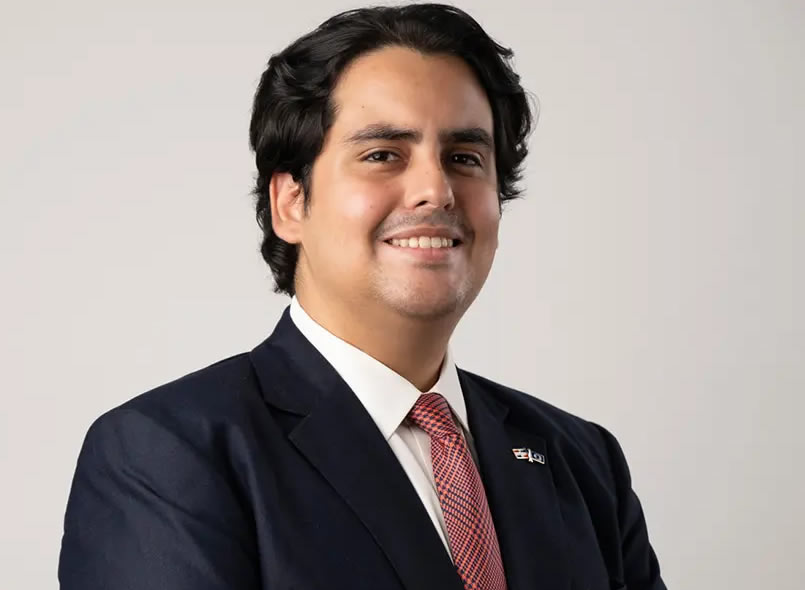
Jean Marco Pou Fernández - External Source
By Jonathan Joel Mentor | @jonathanjmentor
In every ecosystem, there are figures who stand at the junction of law, business, and diplomacy. In the Dominican Republic, few embody that nexus with as much weight as Jean Marco Pou Fernández — attorney, entrepreneur, institutional leader, and until recently President de la EuroCámara de Comercio de la República Dominicana.
Pou’s career spans corporate law, infrastructure ventures, and the architecture of binational chambers linking Santo Domingo to Brussels, Madrid, and beyond. Later this year, he begins an LL.M. in International Business and Economic Law at Georgetown University, consolidating his voice in the hemisphere’s most consequential debates.
But prestige titles aside, Pou’s vantage point offers something founders and investors in the Dominican Republic desperately need: clarity on how to structure startups for capital, scale, and international credibility.
Governance is Currency
“Corporate governance is really about giving investors peace of mind,” Pou tells Digital Nomad Weekly. “Local law allows for flexible structures like LLCs and S.A.S., but discipline comes when founders go beyond the minimum — shareholder agreements, advisory boards, transparent records. That’s what signals a startup is serious about outside capital.”
The Gaps in Venture Capital
While Dominican law has the legal scaffolding to host venture deals, Pou points to missing tools: “We don’t have standardized instruments like SAFEs or convertible notes. Stock options aren’t clearly regulated, which complicates retaining talent. And while IP is protected under Law 20-00, enforcement can be slow and costly. These don’t block deals, but they make us less attractive compared to other markets.”
Structure as Strategy
For founders thinking cross-border, Pou is blunt: “Structure is strategy. Many keep an SRL here while raising through a Delaware or EU holding. It gives investors legal familiarity while allowing local operations to thrive. Dominican-born ventures expanding abroad must likewise adapt to each jurisdiction while keeping their Dominican base compliant. Scale without friction depends on smart structuring.”
The Lawyer as Deal-Maker
In venture negotiations, Pou says the best legal advisors protect founders while making deals attractive to global investors: “We can adapt international clauses — vesting, drag-along, liquidation preferences — but it takes expertise to make them enforceable under Dominican law. A good lawyer balances protection with practicality, and often plays an educational role for both founders and investors.”
Policy Shifts to Unlock Capital
When asked which reforms would most accelerate innovation, Pou highlights three:
- A Startup Act to simplify incorporation and offer early tax incentives.
2. Clear crowdfunding and fintech regulation to open new financing channels.
3. Legal recognition of employee equity plans to compete for talent
“These are not radical changes,” he notes. “They build on existing company law, but tailored for innovation, they could make the Dominican Republic a far more attractive ecosystem for global capital.”
On Digital Nomads
Pou also sees opportunity in a Digital Nomad Visa: “Other Caribbean countries show it works. But the real value for us would be connecting nomads to our ecosystem — accelerators, coworking, universities — so it’s not just tourism, it’s knowledge transfer.”
The Balance of Power Is Shifting
Here’s the provocation: for decades, Dominican business credibility belonged to a handful of surnames and legacy institutions. Capital flowed to the familiar, while founders built in the shadows. That monopoly is breaking.
Global investors no longer care about inherited prestige. They care about governance, traction, and structure. And Digital Nomad Weekly exists to show who in the Dominican Republic understands this shift — and who will be left behind.
Jean Marco Pou is not just another elite voice. He is one of the rare insiders willing to speak the language of venture, reform, and startup discipline. That makes him valuable. But it also underscores the truth: the future belongs to those who build with transparency and scale in mind, not those clinging to old hierarchies.
Dominican Excellence, Global Voice
In Pou, we see the contours of a Dominican legal mind adapting to the new frontier — a bridge between the old order and the one being forged by founders, investors, and innovators.
And in Digital Nomad Weekly, we don’t just document prestige. We amplify the tectonic shift underway: credibility is migrating from the boardrooms of the past to the founders shaping tomorrow’s economy.
————————————————————–
Jonathan Joel Mentor is the CEO of Successment and architect of the Provoke Visibility™ campaign, scaling startups and challenging institutions to evolve. UN World Summit Award nominee. www.jonathanjmentor.co