

 Smaller
 Bigger
Malaria in Dominican Republic: 479 suspected cases, eight confirmed
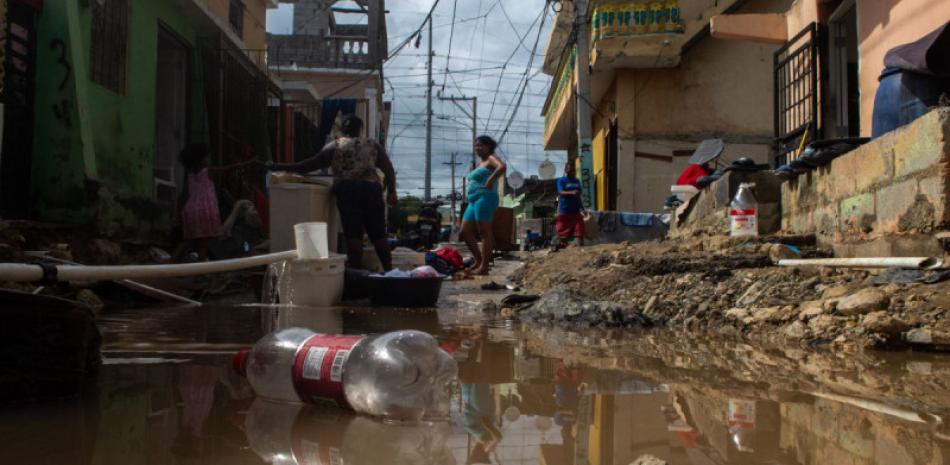
27.2% of malaria cases are among Haitians. Listín Diario
Santo Domingo — As of epidemiological week twenty-eight, the country reported 479 suspected cases of malaria, of which eight were confirmed, reaching a cumulative total of 20,165 suspected cases and 629 confirmed cases so far this year.
27.2% of confirmed malaria cases in the country are Haitian, the Ministry of Public Health reported, which has prompted active case-finding in migrant and farming communities.
The main transmission centers are concentrated in Azua, with 330 cases, and San Juan, with 257 cases.
The bite of infected mosquitoes causes malaria. Its most common symptoms include fever, headache, vomiting, and chills.
Cholera
While cholera has been reported in the country, 17 suspected cases have been reported, with no confirmed cases.
Of the total suspected cases, six were reported in Santo Domingo province, five in Santiago, and two in San Cristóbal. Nine of the cases were female.
In response, Public Health reported that it is maintaining active surveillance for any suspected cases and recommends visiting the nearest health center if you experience any symptoms of the disease.
The most common symptoms are watery diarrhea, vomiting, and dehydration.
In severe cases, dehydration can lead to shock, seizures, kidney failure, and ultimately death if left untreated.
Dengue
Regarding dengue, Public Health reported that 24 suspected cases have been reported, with two confirmed.
Raising the national total to 1,109 suspected cases and 147 confirmed cases.
The provinces with the highest incidence were Espaillat, with 14 cases; Puerto Plata, with 12; and Duarte, with nine.
Symptoms of dengue can vary, but the most common include high fever, severe headache, pain behind the eyes, muscle and joint pain, and rash.
Leptospirosis
Regarding leptospirosis, the country reported six suspected cases, with no new confirmed cases.
According to the Epidemiological Bulletin for week 28, 241 suspected cases and 23 confirmed cases have been reported.
Recommendations
Public Health recommended improving access to drinking water, reducing exposure to stagnant water, and promoting good hygiene practices.
He also reported that animal vaccination campaigns are being carried out, especially in areas where livestock can act as a reservoir for Leptospira.











Haitian impact all the negative statistics in DR. All these statistics come from illegal Haitian settlement.