 Smaller
 Bigger
Gastroenteritis cases have increased in the Dominican Republic in the last month.
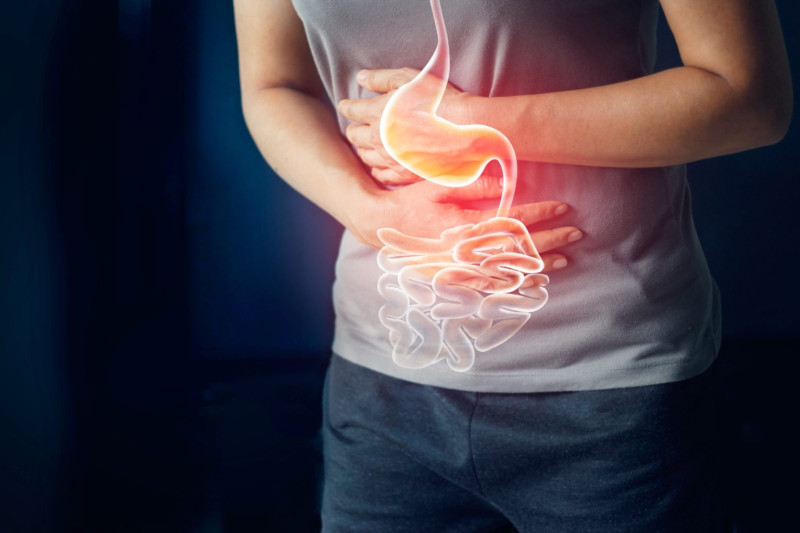
A specialist advises authorities to strengthen supervision of food processing facilities to reduce the risk of disease. File/LD
Santo Domingo, DR— Although gastrointestinal infections are common among the Dominican population, in the last month, infectious disease specialists have been seeing more people with gastroenteritis, most of which is caused by bacteria and, in some cases, by viruses.
In the results of gastrointestinal cultures or panels prescribed for patients, many come back positive for bacteria that are mostly linked to the consumption of contaminated food and water.
This was revealed yesterday in an interview with Listín Diario by infectious disease specialist and researcher Clevy Pérez Sánchez, former president of the Dominican Society of Infectious Diseases. She explained that the types of bacteria and viruses she has been detecting most in her patients are Shigella, Clesiopmola, Salmonella, and enteropathogenic bacteria, as well as norovirus and rotavirus.
“I can’t really say it’s disproportionate because there are always many cases of vomiting and diarrhea in the country, but there have definitely been more cases of gastroenteritis confirmed by gastrointestinal panels in the last month,” he said.
More surveillance
The specialist noted that she has had some cases presenting symptoms after vacationing and others who have eaten outside the home, so she believes it is essential for the country to strengthen supervision of the conditions of places where food is sold.
He added that the suspicion of consuming contaminated food arises because, typically, an affected patient is received by a family member with several people living there, and when the investigation is carried out, the affected person has eaten out.
More surveillance
The most common symptoms these patients report are diarrhea, crampy abdominal pain, which is a pain that tightens and then goes away, nausea, vomiting, and sometimes fever.
He also advises avoiding the use of medications that reduce stomach acid, unless otherwise directed by a doctor.
He explained that he is seeing this increase in his private practice, which is for adults, but that he understands it may be occurring at the level of public centers and in both adult and pediatric populations.
On the subject, gastroenterologist Socrates Bautista recalls that gastrointestinal infections are always common, as this is a tropical country.
“Here we have parasitic infections with amoeba, giardia, lamblia, etc. In addition to bacteria, viruses, and even fungi, on rare occasions we can have some rare acute fulminant diseases, such as some infections that stimulate secretion, such as cholera,” he said.
“All of this is part of the day-to-day routine of a gastroenterology practice,” the specialist emphasized.
More Covid
Meanwhile, pulmonologist Evangelina Soler noted that she is seeing increased circulation of COVID-19 and other respiratory viruses among the population, especially influenza and respiratory syncytial virus.
He noted that patients report ailments caused by these respiratory viruses, but gastric ailments are not among the primary symptoms in the patients he has treated with these viruses.
Epidemiological report number 31, issued yesterday, reports 122 cases of Covid-19 in the last three weeks, for a total of 823 cases so far this year.