

 Smaller
 Bigger
International team reactivates excavations to locate Enriquillo’s remains
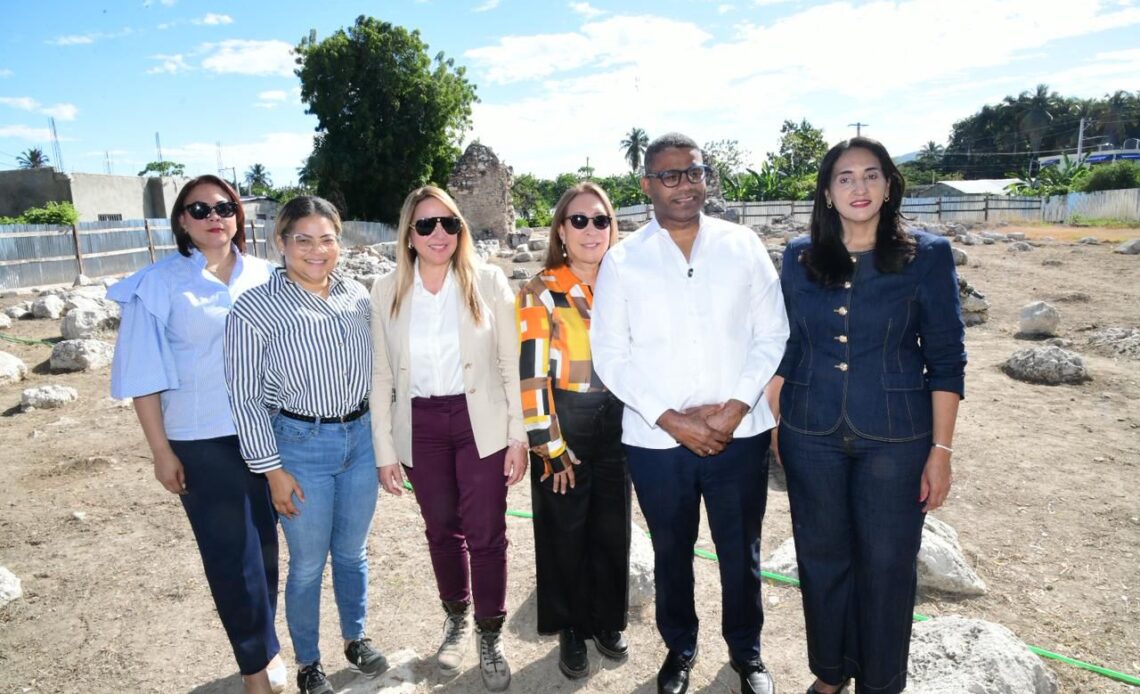
Azua.- A team of internationally recognized experts in archaeology and historical research has resumed excavation work under the project “Following the Remains of Enriquillo,” an initiative led by the Macarrulla Foundation in coordination with the General Directorate of Strategic and Special Projects of the Presidency (Propeep). The project seeks to locate the remains of Enriquillo, one of the most emblematic indigenous leaders in Caribbean history.
The excavations are being carried out at the ruins of Pueblo Viejo in Azua and will continue through February 28. The effort is part of a research process that began more than a decade ago, combining historical documentation, scientific analysis, and field investigations. According to project executive director Lidia Martínez de Macarrulla, the initiative has involved an estimated investment of US$1.5 million, allocated to documentary research, archaeological digs, laboratory studies, and the use of advanced technologies.
Among the tools employed are satellite imagery to detect underground anomalies and pinpoint excavation sites, carbon-14 dating, and extensive consultations of historical archives from various countries to expand and verify information about Enriquillo. Martínez de Macarrulla described the project as an effort that goes beyond archaeology, emphasizing its importance for historical memory, identity, and the recognition of Enriquillo as a symbol of dignity and resistance.
Propeep director Robert Polanco highlighted the initiative as a significant step toward addressing a historical gap in the material preservation of Enriquillo’s legacy, reinforcing a more inclusive narrative of the Dominican Republic’s pre-Hispanic past. He stressed that Enriquillo’s legacy represents an early example of resistance, political negotiation, and the defense of human dignity in the face of colonial oppression.
The current phase of the project is being technically coordinated by renowned Dominican archaeologist Kathleen Martínez, who outlined the scientific objectives, methodology, and research lines guiding the fieldwork. The multidisciplinary team includes specialists from the Dominican Republic, Egypt, and Spain, covering fields such as archaeology, anthropology, osteology, and funerary studies. The project is expected to contribute significantly to academic knowledge and to the preservation of the country’s historical and cultural heritage.








The respect of Dominicans for Enriquillo sheds light upon how indigenous peoples should be weighed.