 Smaller
 Bigger
Critical minerals and rare earths: the Dominican Republic’s new strategic bet
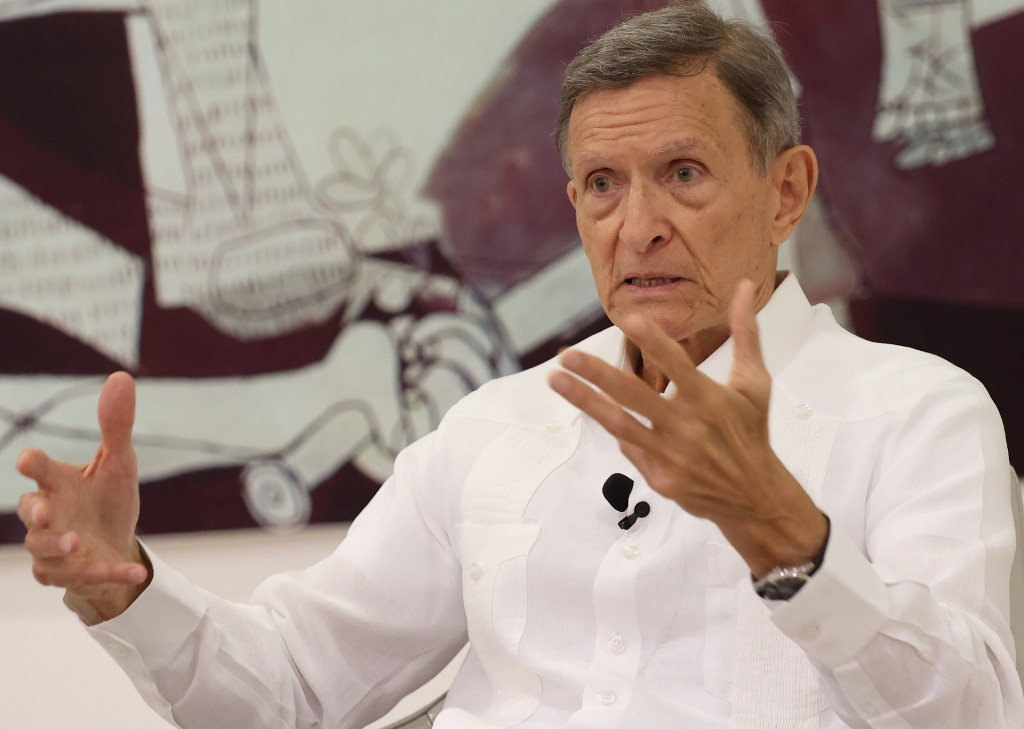
Santo Domingo, Dominican Republic – The Minister of Foreign Affairs of the Dominican Republic, Roberto Álvarez, stated that critical minerals and rare earth elements have become a central focus of global geopolitics and technological development, and highlighted the country’s potential in this strategic sector.
The foreign minister explained that it is essential to differentiate between the two concepts. Rare earth elements are a specific group of 17 chemical elements, while critical minerals encompass a broader list that each country defines according to its strategic and industrial needs.
“Rare earth elements are 17 elements that are part of the critical minerals. The latter includes those that a country, such as the United States or another, decides to classify as strategic due to their importance for national security and industry,” he explained during the Corripio Communications Group Luncheon.
These resources are essential for the manufacture of advanced technologies: aircraft, aircraft carriers, automobiles, computers, semiconductors, and quantum computing systems.
Álvarez cited the example of a sophisticated aircraft that can require up to 2,000 critical parts: if even one is missing, the aircraft cannot operate.
The 17 rare earth elements and their strategic value
Rare earth elements include the 15 lanthanide series elements, plus scandium and yttrium.
Not all of them have the same value in the international market; some are especially valued for their application in high-power magnets, batteries, renewable energies, and electronic devices.
Among the elements mentioned, the following stand out:
Neodymium is the key to permanent magnets used in electric motors and wind turbines.
Scandium, which, when alloyed with aluminum, can produce materials as strong as titanium but lighter.
Gallium (considered a critical mineral) is fundamental in the semiconductor industry.
International agreement to secure supply chains: Álvarez revealed that the United States convened 55 countries — with the assistance of nearly 50 — to strengthen critical supply chains for these minerals.
The goal is to guarantee stable access for the technology and defense industry.
In that context, work is underway on an international framework agreement that could include the creation of a minimum price floor for certain critical minerals, a mechanism similar to that which has historically applied to products such as sugar.
He explained that this scheme would allow producing countries to make more secure economic projections and attract investment under more stable conditions.
The Dominican potential
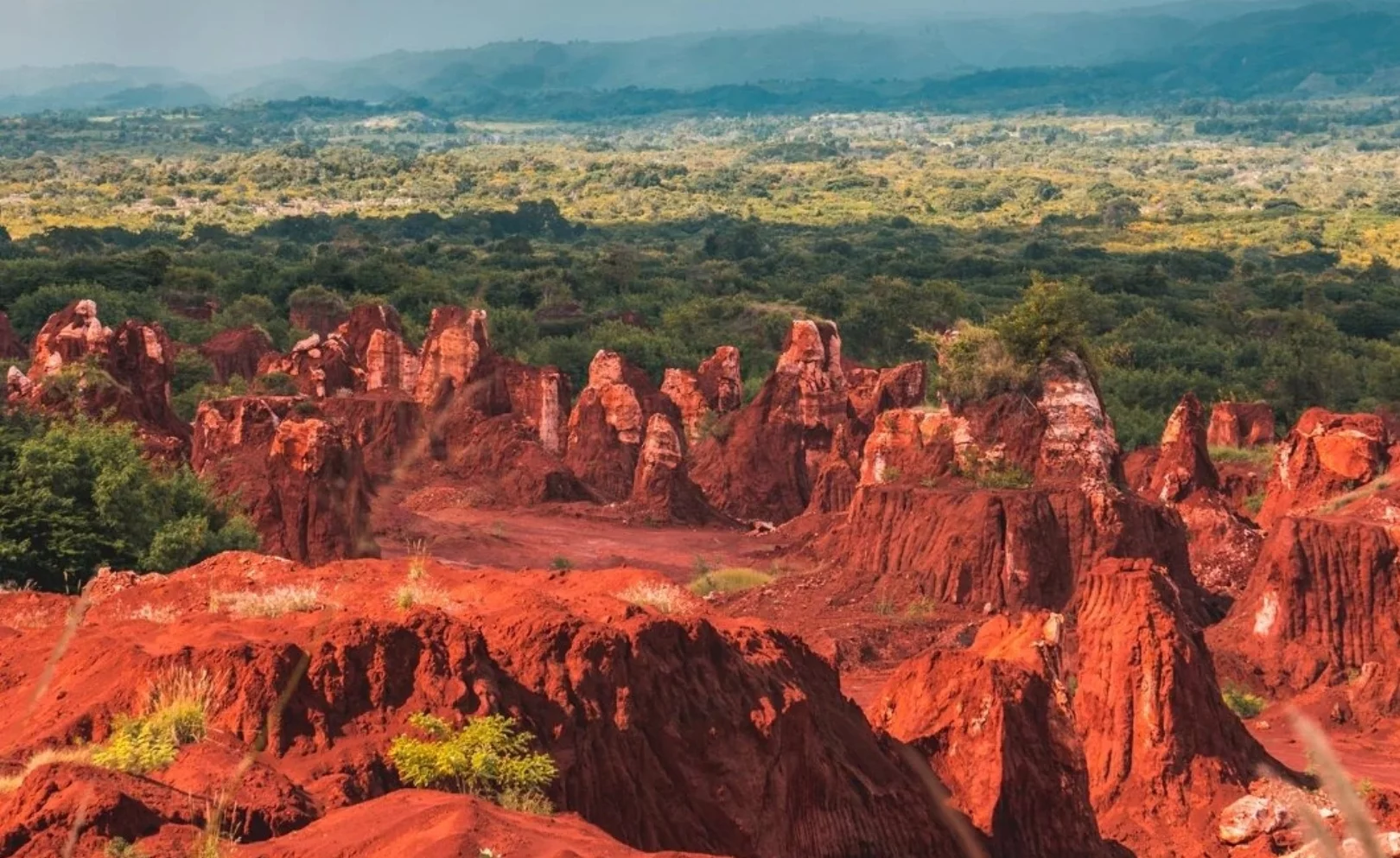
The minister highlighted the country’s geological potential, particularly in the province of Pedernales, where 84 deposits have been identified, though only 15 have been explored to date.
These areas are estimated to contain approximately 65 million metric tons of resources, mainly of rare earth elements.
In addition, the Dominican Republic has other minerals listed as critical by international bodies, such as bauxite and other strategic metals.
Álvarez stressed that the country will have to make “very carefully considered” decisions about the conditions for exploration and exploitation, given the growing value and strategic impact of these resources.
The initiative has the support of President Luis Abinader, who — according to the foreign minister — has firmly committed to developing this sector as a key opportunity for the nation’s economic and geopolitical future.