
 Smaller
 Bigger
Modernizing Caribbean water systems for jobs, resilience, and growth
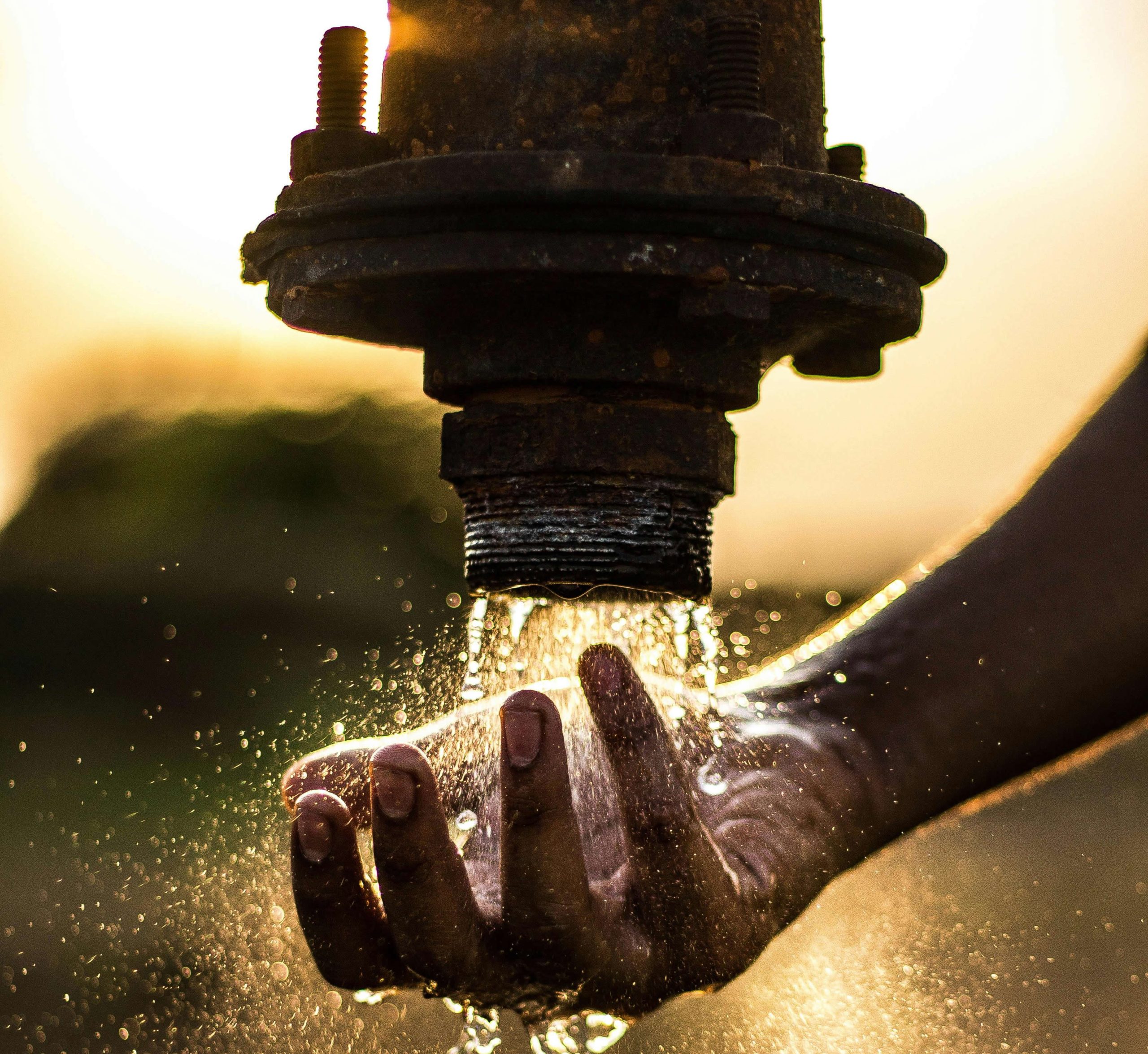
Photo by Nitin Sharma - Pexels.com
By Lilia Burunciuc, World Bank Director for the Caribbean
Across the Caribbean, tourism, agriculture, and fisheries shape the rhythm of economic life. They support millions of livelihoods in the region. Tourism alone sustains more than 2.75 million jobs. Agriculture and fisheries provide employment for roughly 3 percent of the population and remain critical for food security, rural incomes, and coastal economies.
All of this economic activity depends on a fundamental resource: water. Hotels need it to serve guests, farmers rely on it for irrigation and livestock, and fisheries depend on clean coastal waters.
Yet, across much of the Caribbean, water – and the systems that deliver it – are increasingly under pressure. Water utilities face aging infrastructure, growing demand, and the intensifying impacts of climate change. Strengthening water security is therefore essential for protecting jobs, supporting businesses, and sustaining economic growth.
Despite decades of investment, and the fact that about 90 percent of households in the Caribbean are connected to piped water systems, reliable service remains a challenge in many countries. Droughts can lead to water rationing, water pressure is often inconsistent, and utilities frequently struggle to maintain aging infrastructure.
One of the biggest challenges is the scale of water losses. Across the region, utilities lose on average about half of the water they produce through leaks and aging pipes. This represents a major economic cost. Caribbean utilities already face some of the highest electricity prices in the world, and pumping and treating water can account for roughly 40 percent of operating costs. When large volumes of water are lost before reaching customers, both energy and financial resources are also lost.
Weak wastewater management also carries economic consequences. In the Caribbean, around 85 percent of wastewater is discharged untreated, polluting coastal ecosystems and marine environments. These waters sustain coral reefs, fisheries, and beaches that are central to tourism and coastal livelihoods. When pollution damages these ecosystems, the impacts extend directly to employment, incomes, and food security in coastal communities.
Natural disasters are exacerbating these challenges. Heavy rainfall and hurricanes have caused flooding in several Caribbean countries, damaging infrastructure and disrupting water systems and transport networks.
Addressing these challenges requires continued efforts to strengthen how water systems are managed, financed, and maintained across the region.
Several priorities stand out.
First, the region needs to adjust its operational approach. To move more toward reliability, countries should foster a culture of performance. This means running water utilities like modern, data-driven businesses. When a utility uses digital tools to reduce energy waste and find leaks, it stops losing money and gains the financial independence required to reinvest in its own resilience.
Second, countries should prioritize stronger regional integration. In an archipelago of small states, technical silos lead to inefficiencies. The goal is to ensure that a breakthrough in one island becomes a shared blueprint for its neighbors. By pooling resources and expertise, the region can implement standardized solutions in for leak detection and disaster recovery that would be too costly for any single island to develop alone.
Third, modernizing the water sector requires investing in people. As utilities adopt more advanced technologies and data-driven systems, the workforce must evolve as well. Strengthening education and training in environmental engineering, water resource management, and digital technologies can help prepare Caribbean workers for the skilled jobs emerging in a modern water sector.
Finally, mobilizing investment will be essential. Across Latin America and the Caribbean, achieving universal and climate-resilient water services will require investment of around 3 percent of GDP annually through 2030, far above current spending levels. Public resources alone will not be enough to close this gap. Strengthening utility governance, improving financial sustainability, and preparing investment-ready projects can help attract greater private investment into the sector.
The World Bank is committed to supporting this transformation. We are already supporting promising examples led by national governments, such as Barbados adopting a program-for-results financial instrument to shift the focus from infrastructure delivery to efficient service delivery, and Saint Lucia and Grenada’s commitment to water and sanitation policy reforms which strengthen the sector’s financing, sustainability and efficiency.
Building on these national efforts and, leveraging Caribbean regional synergies, the World Bank is preparing a new regional water security program which will support countries in improving utility performance and strengthening cooperation across the region.
With governments, utilities, and regional partners already advancing practical solutions, the Caribbean is well-positioned to build stronger water and sanitation systems that support businesses, protect coastal resources, and secure and create jobs across sectors such as tourism, agriculture, and water services themselves.
As the world marks International Water Day, the importance of strengthening water systems that sustain Caribbean jobs and industries has never been clearer.