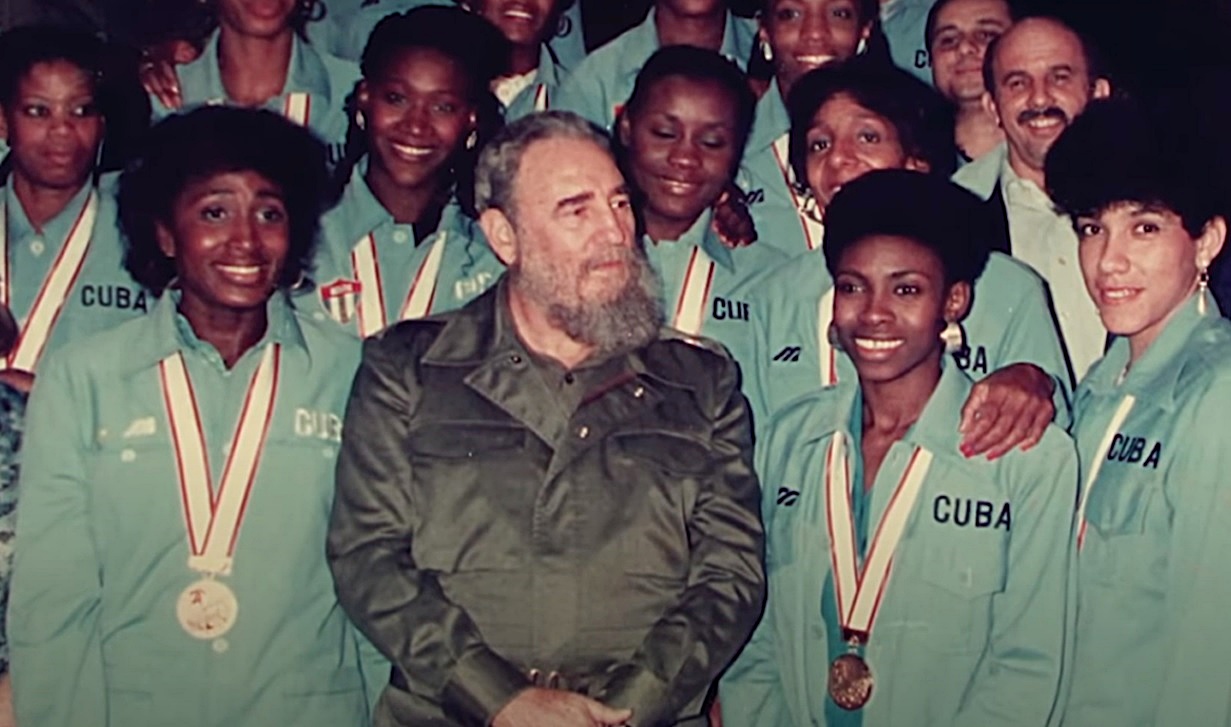
Havana.- A pair of Cuban Olympic medals, one gold from Atlanta 1996 and one silver from Sydney 2000, has appeared on eBay with a combined asking price of USD 140,000, reigniting questions about the fate of symbols once dedicated to Fidel Castro’s amateur‑only sports policy. The listings, uncovered by CubaNet, feature a gold medal won by the “Morenas del Caribe” women’s volleyball team and a silver awarded to a member of the national baseball squad defeated by the United States in Sydney’s final.
The gold medal, commemorating Cuba’s second consecutive Olympic volleyball title under coach Eugenio George, with legends such as Mireya Luis, Regla Bell and Regla Torres among its stars, carries a price tag of USD 95,000. The silver medal, earned by one of the Cuban baseball players who fell 4–0 to Team USA, lists for USD 45,000. Both items are offered by a seller based in Spain; the original recipients remain anonymous.
Last week, RR Auction in Boston sold Cuban boxer Yuriorkis Gamboa’s Athens 2004 lightweight gold medal for USD 14,619—well below its estimated value—and a Sydney 2000 baseball silver for USD 3,750. Gamboa has publicly alternated between claiming he sold his medal and that it was stolen, later replaced with an IOC‑issued replica.
These high‑profile sales underscore the erosion of Cuba’s strict amateurism, enacted more than 60 years ago by Fidel Castro. During the fifth ordinary session of the National Assembly in late June, deputies implicitly conceded that the prohibition on professional sport failed to shield athletes from economic hardship. Yet no legislator addressed the “poor image” created when ideologically charged medals turn up in “wild capitalist” auctions, CubaNet notes.
An anonymous former sports official told CubaNet that other historic trophies, such as those of fencing champion Ramón Fonst, have vanished from the state’s Museum of Sport, and called for a journalistic investigation into missing artifacts.
Cuba’s tourism ministry estimates that athletes’ growing financial struggles drive many to sell medals on international platforms. While private sales offer immediate relief, they also force a reckoning with the nation’s sporting ideals and the preservation of its athletic heritage. As these tangible pieces of history change hands, Cuba confronts the complex balance between ideology, nostalgia and economic reality, and the very legacy of its Olympic glory.


 Smaller
 Bigger