

 Smaller
 Bigger
Taíno Bay and Cabo Rojo are projected to receive more than 1.4 million cruise passengers in 2026
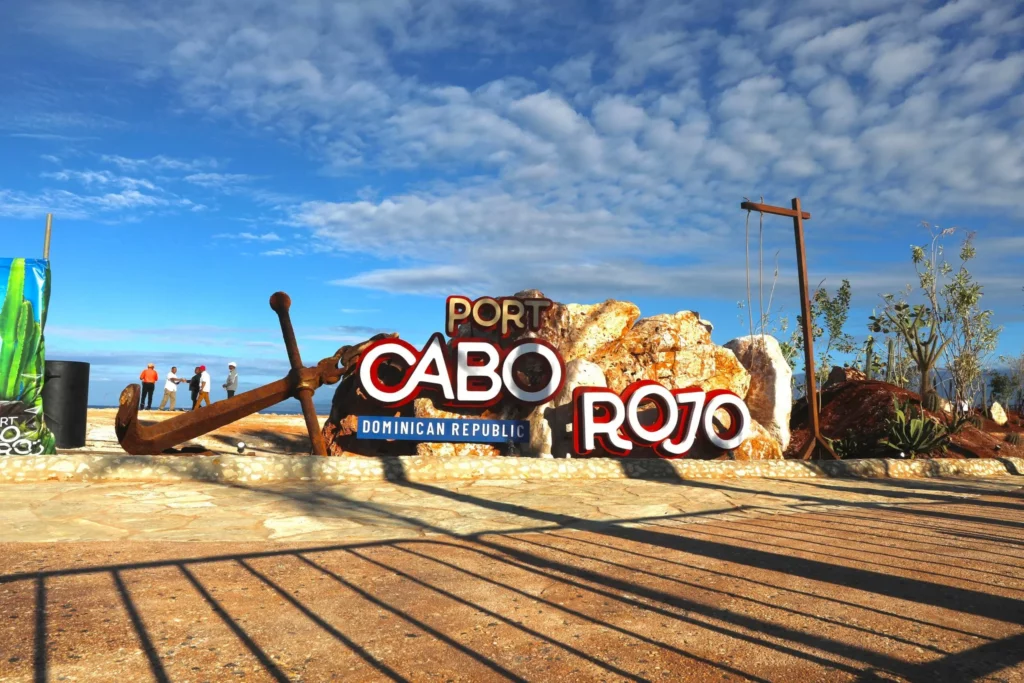
Mauricio Hamui, CEO of Taíno Bay and Port Cabo Rojo, announced that by 2026, Taíno Bay will receive around 1.2 million passengers, boosting not only the economy of Puerto Plata but also that of nearby destinations such as Cabarete, Sosúa, Damajagua, and the historic center.
He also reported that Cabo Rojo will receive some 200,000 passengers throughout the year 2026, a record number for the port since its opening, specifying that the flow is confirmed from January to December, with disembarkations also hovering between 90% and 95% of visitors.
“Today (Tuesday 3) we have a ship in Cabo Rojo and this Wednesday, February 4, another one arrives with between 4,000 and 4,500 passengers, and the vast majority of them get off,” he said.
Between the two ports, the Dominican Republic would be receiving more than 1.4 million cruise passengers in 2026, the executive said during his participation in the special broadcast of El Sol de la Mañana.
“On Tuesday, February 3, Taíno Bay received around 6,500 passengers aboard two cruise ships, while the port of Cabo Rojo continues to consolidate itself as a new hub for cruise tourism in the south of the country,” he added.
He explained that by adding Taíno Bay and Amber Cove, Puerto Plata would receive about 2.2 million cruise passengers per year, with projected growth to 2.8 million next year.
In that regard, he stated that between 90% and 95% of cruise ship passengers disembark at ports, confirming the strong economic impact of the activity on tourist destinations.
Hamui explained that the figures are certified by the shipping companies themselves, since passengers must register their departure and return to the cruise using electronic credentials.
The executive detailed how passengers are distributed once they disembark at Taíno Bay:
- 30% of purchases are excursions directly on board the cruise ship, operated by local providers.
- 20% use taxis to travel to destinations such as Sosúa and Cabarete.
- 15% book independent tours outside the port.
- 20% explore the historic center of Puerto Plata on foot.
- Only 5% to 10% remain within the port facilities, enjoying swimming pools, shops, and dining options.
On average, between 85% and 95% of passengers leave the port, which, according to Hamui, confirms that “people don’t stay on the ship.”
Furthermore, he noted that, according to studies by the Florida-Caribbean Cruise Association ( FCCA ), the average expenditure per passenger in Puerto Plata is around US$100. Among the most sought-after products are Dominican handicrafts, jewelry, coffee, chocolate, and local gastronomic products, which tourists often take home as souvenirs.
The CEO highlighted that no security incidents have been recorded and that the coordinated work with the Ministry of Tourism (Mitur), Politur, and Intrant has generated confidence among shipping companies.
Regarding employment generated by the revitalization of the ports, he indicated that Taíno Bay alone creates 1,500 direct jobs, 98% of which are held by Dominicans, as well as approximately 4,000 indirect jobs in transport, commerce, and services.
Finally, he highlighted the port’s social integration with the Puerto Plata community. During the off-season, Taíno Bay opens its doors for “Dominican Saturdays,” allowing residents to enjoy the facilities, recreational activities, and dining options free of charge.
“Cruise tourism works because it generates real economic benefits, employment, and well-being, and that’s why we continue to invest,” Hamui concluded.
Finally, the CEO highlighted that, based on the projections, Disney Cruise Line included Puerto Plata in its schedule, with three arrivals planned between November and December.














The numbers, 1.4 million, sounds impressive. However, the numbers of **passengers who disembark is 3%, producing only 42,000 passengers to spend direct into the local economies. The Ministry of Tourism has to come up with more incentives to draw more passengers ashore.
** “Cruise passenger statistics spark debate in Dominican tourism sector”, DOMINICAN TODAY, Jan 16, 2026,
I want to take a few moments to explain a bad situation at the Norqwegian cruise line in La Ramona last monday feb 26. My wife and I had a 9 day cruise booked for the south caribbian. i want this story to be very clear so that I can find an answer and that others will not be turned down at the port by immigration officials. I have been here in and out for the past 5 years with my USA passport and am married to this same lady for the past 3. We own our home in La Vega. she is in the middle of coming to the USA but this cruise at no point was stopping at a USA port or a mexican port. i had this cruise booked last Jan 2025. I checked everyone and also spoke in person to Aruba immigration since they appeared to be a possible problem. The Aruba embassy showed me on their site cruise people are excempt from visas.since you are in and out within 48 hours departure and return where to La Romana. Dominican immigration would not let her board. they said she needed a visa. I never got an answer that I trust nor ever saw anything in writing. they said there had been a Dominican rule change within the last 2 or 3 weeks. we lost our trip for her birthday and my 3000 dollar investment. I speak very little spanish and getting to the facts here is almost impossible. I have a very good relationship with the head man at the USA embassy in Puerto Plata. He told me he has no idea what they are talking about. they even said something about a USA visa and I told them that was B.S. this cruise was never entering american waters. I need to solve this for myself interest and all others in the future. Dominican cruise business is going to keep growing and now MSC has said they will be using La Ramona as a year around port for 1 of their ships. 1 more point of info. My wife has a current valid Dominican passport, a current drivers license with photo from the DR> and also her govt cedula for voting and all 3 of these items are in her married name matching mine. I would appreciate all help here. the immigration problem was full of people trying to get on this cruise. what a total disaster. the place looked more like disney world in florida.