 Smaller
 Bigger
Caribbean crossroads: 4th Dominican Writing Festival maps a region in motion
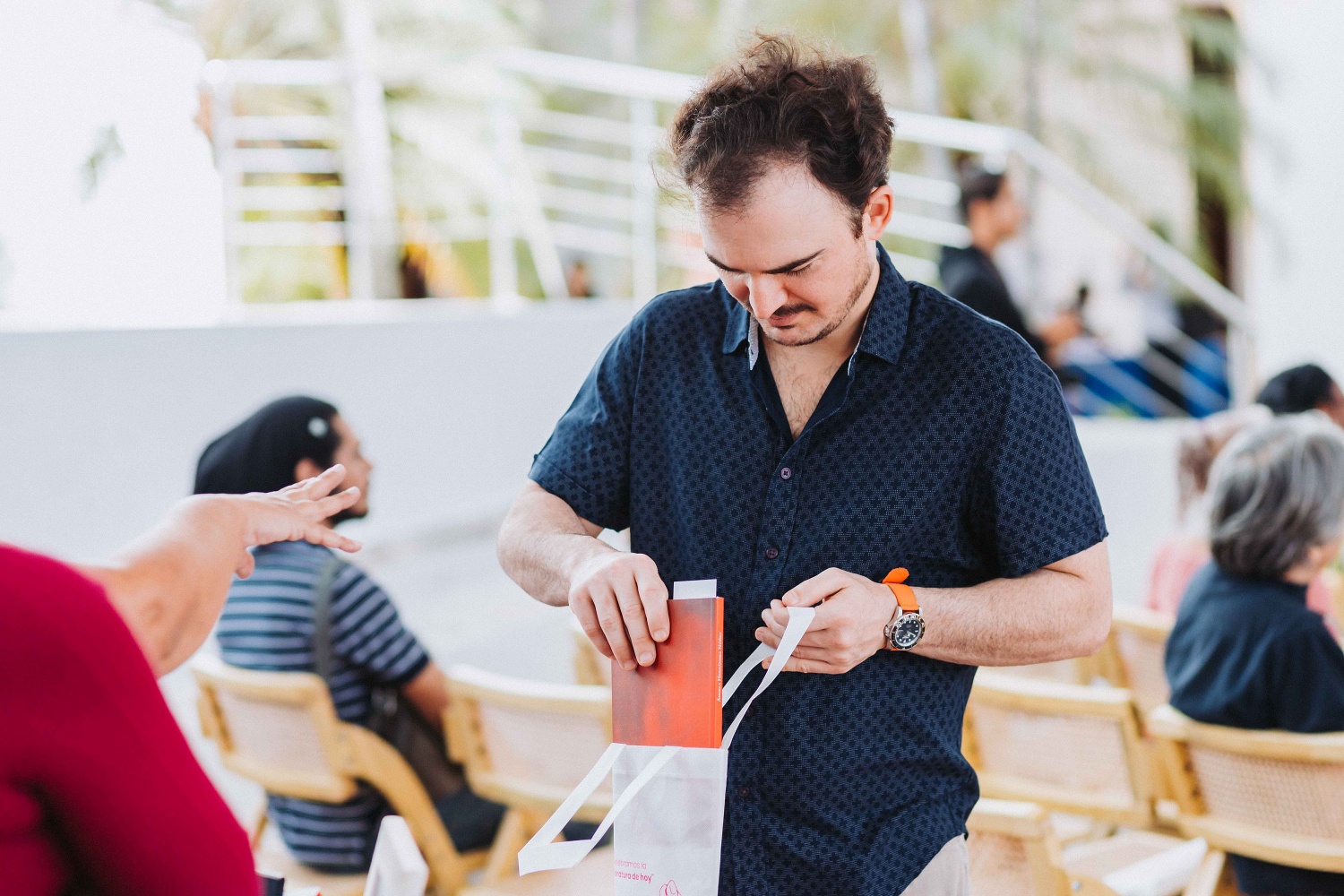
The FESD has established itself as an essential annual fixture for the region's literary ecosystem, moving beyond traditional book displays to facilitate direct intellectual exchange in the heart of Santo Domingo. (Photo: FESD)
Santo Domingo.– The contemporary Caribbean experience is no longer a static portrait of island life, but a dynamic map of displacement and return. For the Dominican Republic, a nation whose intellectual pulse is felt as strongly in the heights of Manhattan as in the streets of Santo Domingo, the act of writing has become the primary tool for navigating a globalized identity.
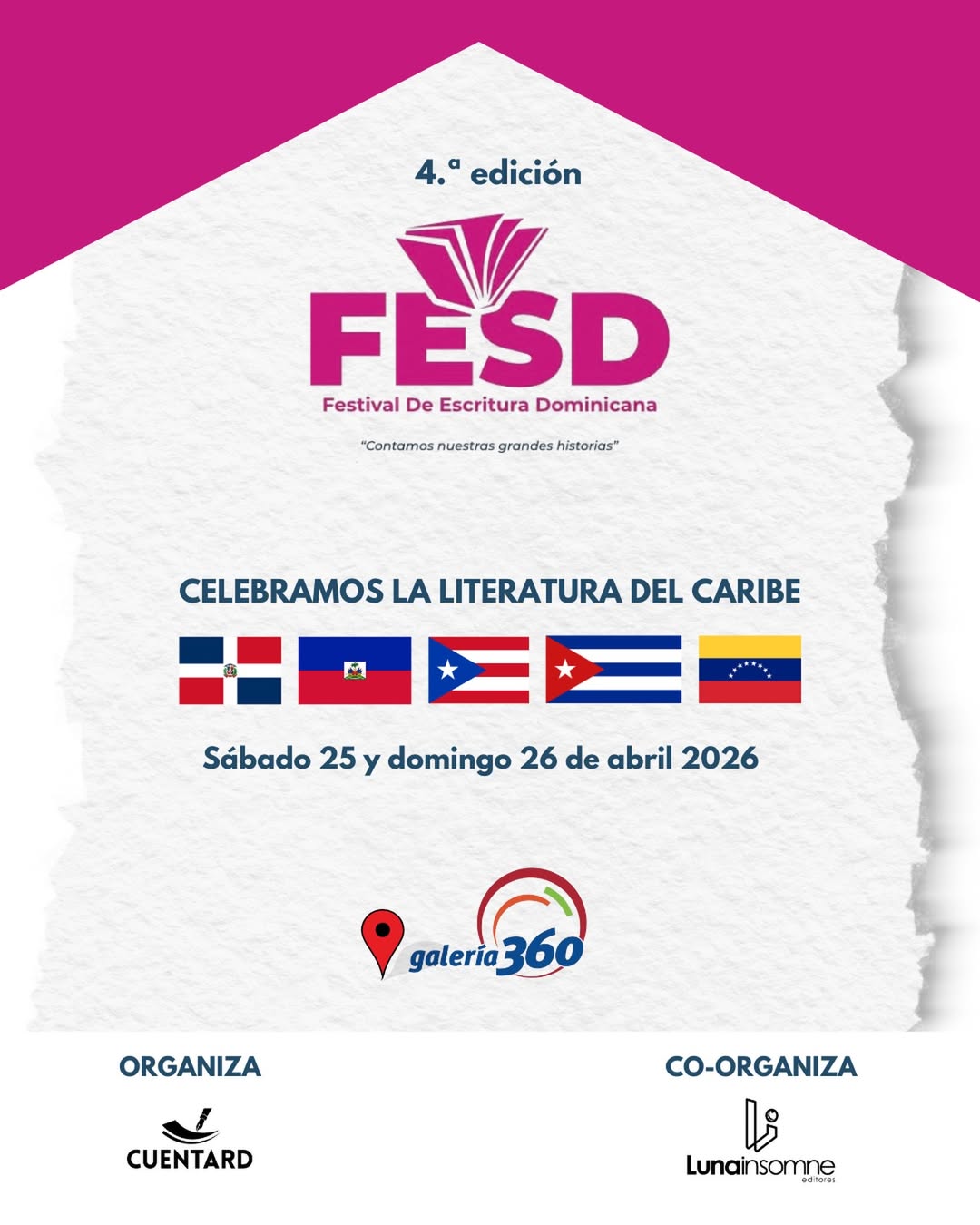
This evolution takes center stage on April 25-26, 2026, at Galería 360, as the fourth edition of the Dominican Writing Festival (FESD) convenes under the banner “We tell our great stories.” Organized by the multicultural platform CuentaRD —founded by writers Roxanna Marte and Rafael J. Rodríguez Pérez—, and co-organized by Luna Insomne Editores, the festival positions itself as a strategic bridge between the island and its vast diaspora.
The diaspora as a literary engine
The heart of the 2026 program lies in the exploration of transnationalism, the psychological space occupied by those who write from the margins of their homeland. The presence of acclaimed Cuban-American author and journalist Achy Obejas serves as a focal point, mirroring the experience of many Dominican authors whose work is defined by a sense of “extra-territorial” belonging.
The festival’s central dialogue, “Archipelago on Fire: For whom do we Caribbean writers write?”, examines the purpose of the craft in a region where the audience is often separated from the author by an ocean. This focus is further sharpened by the inclusion of Venezuela as a featured nation, recognizing the shared migratory experience that now links its narrative to the rest of the Caribbean.
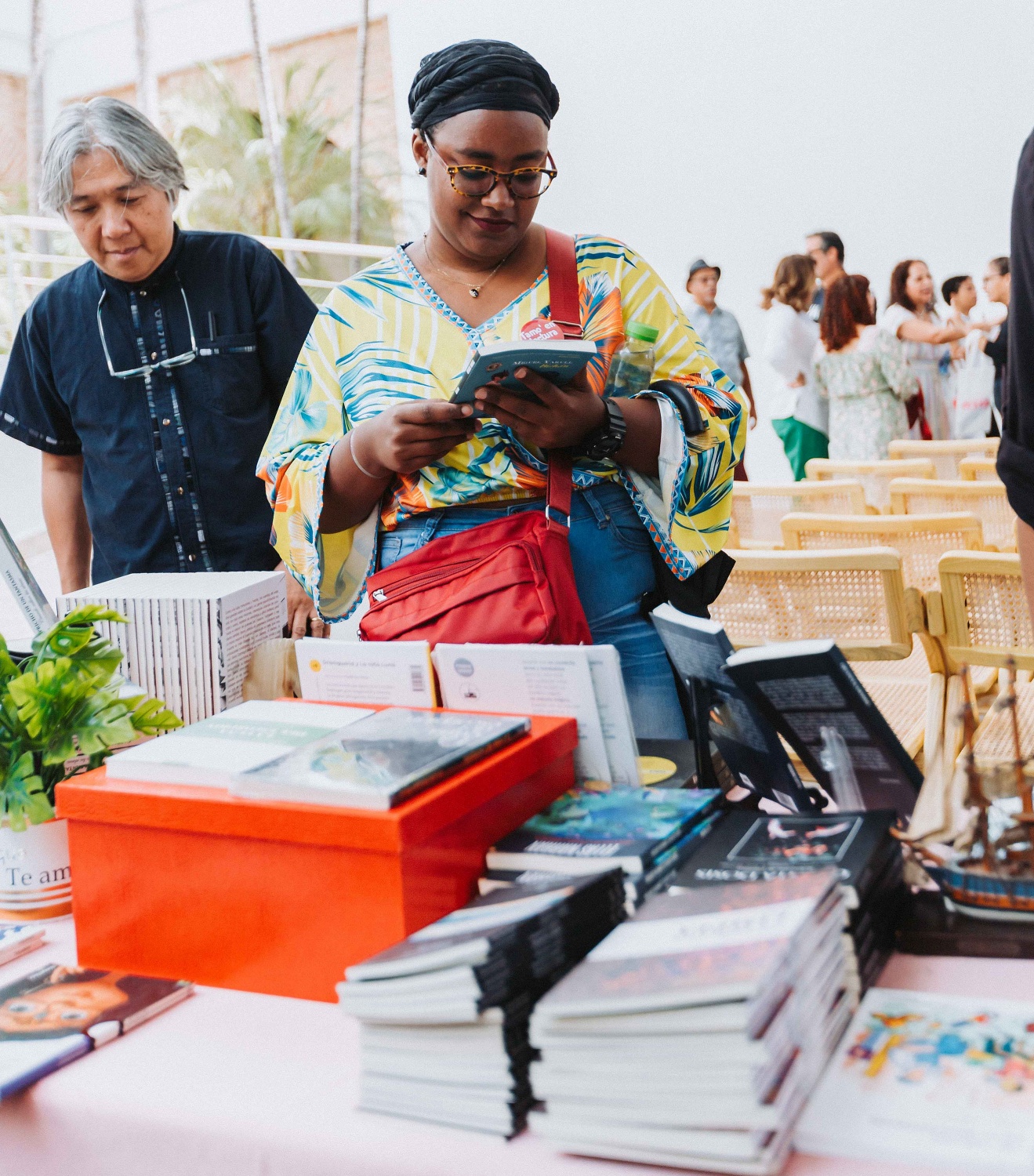
By integrating performance art, cinema, and academic debate, the FESD moves beyond the traditional book fair format to reflect the multidisciplinary nature of modern Dominican creativity. (Photo: FESD)
A crossroads of regional voices
The substance of this edition lies in its refusal to isolate the Dominican experience from its neighbors. The dialogue “Haiti in words: identity, resistance, and hope” brings together Edwin Paraison, Jhak Valcourt, and Jacques Alix Louis to discuss literature as a tool for articulating hope amidst crisis.
The Cuban experience is specifically dissected in the debate “Reading Cuba: between the island and the diaspora,” featuring Alberto Garrido, Bismar Galán, and Celestino Esquerré. This panel will explore the intimate and political nuances of writing from within and outside the island’s borders, a theme that resonates deeply with the Dominican migratory reality.
Similarly, the Venezuelan exodus is analyzed through the colloquium “Reading a new country,” featuring Siddharta Mata and Aída Magallanes. These sessions, alongside the presentation of “Las cosas hermosas a los ojos” by Carlos A. Colón Ruiz, ensure the festival serves as a legitimate site of regional cultural exchange.
From the printed page to the cinematic gaze
The FESD also recognizes that the Caribbean story is increasingly told through visual and performative languages. The “paper to screen” pipeline will be analyzed by filmmakers Natalia Cabral and Tito Rodríguez alongside author Miguel Yarull, in a session moderated by Juan José Namnún.
The stage is not left behind, as Manuel Chapuseaux, Ingrid Luciano, and Richarson Díaz discuss the translation of Dominican literature to the theater. Performative elements, such as a presentation based on the work of Julia de Burgos and a tribute to the Cuban poet Dulce María Loynaz, highlight the festival’s multidisciplinary nature. The event will close with “The voice on fire,” a Spoken Word performance celebrating the raw power of the spoken word.
Preserving a heritage in flux
A critical academic pillar of the event is the participation of Sarah Aponte, Chief Librarian of the Dominican Studies Institute at CUNY. Her conference on digital preservation in specialized libraries addresses a vital irony: much of the Dominican intellectual legacy is currently maintained and digitized in the diaspora.
Despite its intellectual weight, the FESD remains a public commons. Admission is free, supported by sponsors such as Kelsy Wilmot, Navegante Urbano, and Editora Pulpo. From workshops for parents led by Mariela García to sessions on the global rise of Dominican comic books, Marte and Rodríguez Pérez are ensuring that the festival fosters a reading culture that survives the pressures of a digital world.
___________________
About CuentaRD
Founded on June 21, 2018, by writers Roxanna Marte and Rafael J. Rodríguez Pérez, CuentaRD emerged as a response to the need for a more dynamic and inclusive literary ecosystem in the Dominican Republic. Co-organized by Luna Insomne Editores, the platform serves as the engine behind the Dominican Writing Festival, focusing on the promotion of reading and writing as essential tools for social and intellectual growth. Through its focus on multidisciplinary collaboration, CuentaRD has evolved from a local literary project into a key regional player, fostering connections between Caribbean creators and the global diaspora.