

 Smaller
 Bigger
What are Therians and why are they trending in the Dominican Republic?
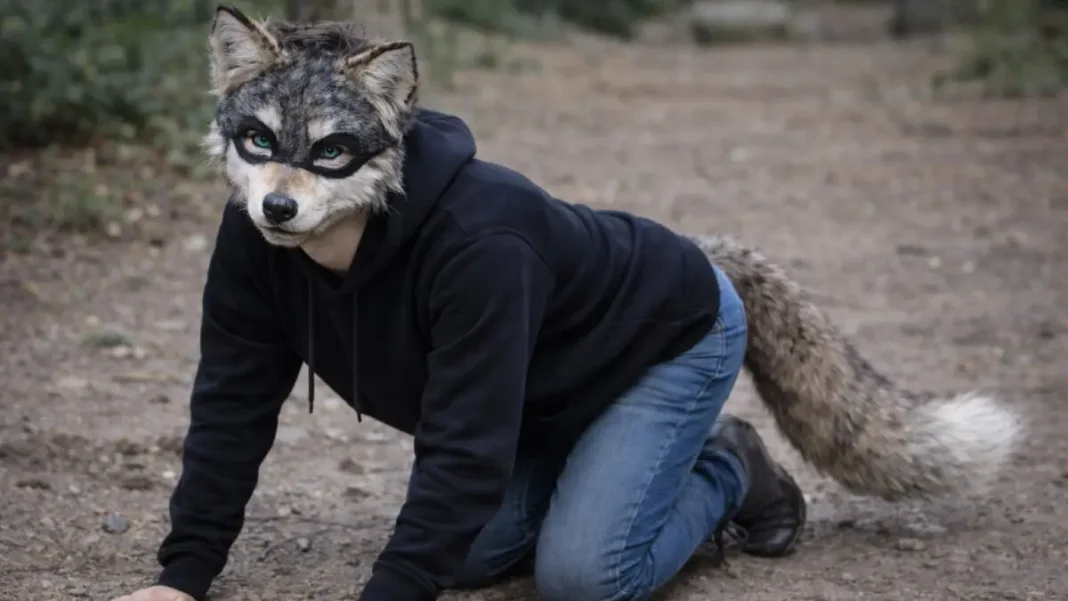
Santo Domingo.- The subculture known as therians—people who say they identify emotionally, spiritually, or psychologically with animals—has moved from social media niches into the public conversation in the Dominican Republic after a viral call for what was described as the country’s first therian gathering.
The discussion gained momentum when a video circulated online showing a young man who claims to be Dominican announcing a “therian meetup” and presenting himself “ready with a tail.” The clip quickly sparked mixed reactions, ranging from curiosity and humor to broader debates about identity, self-expression, and generational change. Alongside the video, invitations to a possible in-person meeting began spreading across digital platforms, marking what many see as the first attempt to organize this community locally.
Although the event itself has not been officially confirmed, the announcement alone was enough to bring the topic into national debate, highlighting how internet-born trends can rapidly influence public discourse when they cross into offline spaces. The therian phenomenon has existed internationally for years and has expanded largely through platforms such as TikTok and Instagram, where young users share videos mimicking animal behaviors or explaining their personal connections to specific species.
Those who identify as therians insist the movement is not about costumes or performance, but about a deep sense of identity linked to animals like wolves, foxes, or felines. The term derives from the Greek thērion (“beast”) and dates back to online forums of the 1990s, long before its recent visibility on mainstream social media.
In the Dominican context, reactions have revealed a sharp divide. Some view the trend as a new form of youth expression or a search for belonging, while others dismiss it as a passing viral phenomenon or react with open skepticism. For now, what is clear is that therians are no longer just a foreign internet curiosity.














Is “therian” another word for otherkin?
Therian = Another Mental Illness…
Hang in there. We have mental illness in the US also. We call it transgenderism and warped gender identity.
Give them an inch, and they will take a mile. The words are-get up, take off that stupid outfit, do something constructive in life.