

 Smaller
 Bigger
Why roads, ports, and airports matter more than ever for Expats in the Dominican Republic
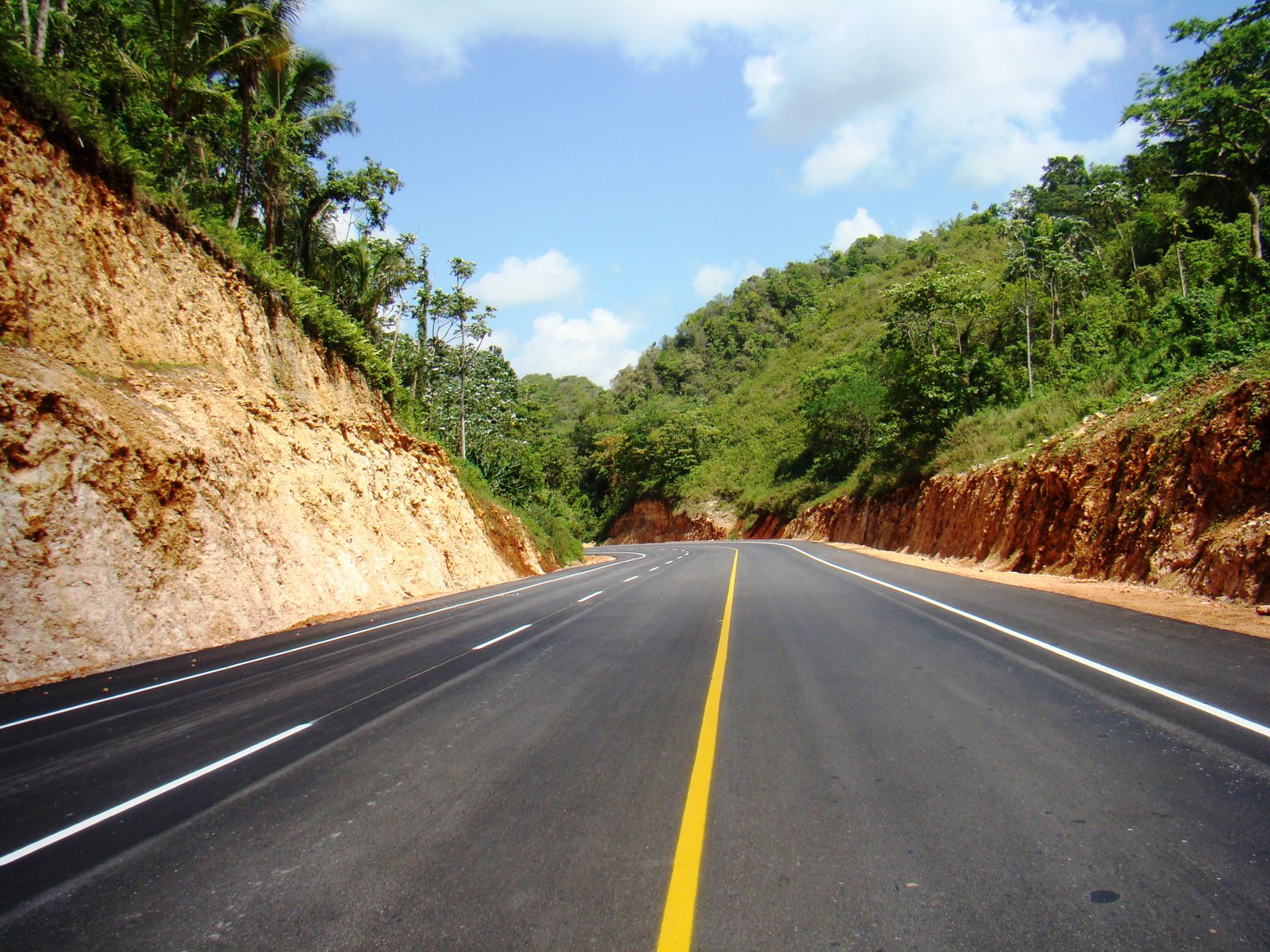
Carretera Samana
By Rosalyn Ortega-Elie
For a long time, conversations about moving to the Dominican Republic focused on lifestyle – sun, beaches, family, and a slower pace of life. That story still matters. But today, there’s another layer that doesn’t get enough attention: infrastructure.
What’s happening across the country right now is not accidental, and it’s not cosmetic. The Dominican Republic is in the middle of a sustained infrastructure build-out that’s reshaping how people move, how goods flow, and where growth is happening next.
And if you’re an expat, a returnee, or even just thinking about making the move, this matters more than you may realize.
Roads That Connect Opportunity
Major highway expansions and regional road upgrades are shortening travel times between cities, tourist corridors, and secondary markets. Areas that once felt “far” are now viable for daily commuting, logistics, and residential development.
This isn’t just about convenience – it’s about access. Better roads mean more consistent supply chains, easier movement for workers, and new pockets of growth opening outside traditional urban centers. For expats, that translates into more location flexibility and better quality of life without being disconnected.
Ports Powering Trade and Nearshoring
The Dominican Republic has quietly become one of the Caribbean’s strongest logistics hubs. Investments in ports like Caucedo and Haina are supporting increased import/export activity, manufacturing, and nearshoring operations tied to the U.S. market.
Why does this matter to expats? Because strong logistics infrastructure attracts employers, entrepreneurs, and foreign capital. It creates jobs, stabilizes pricing, and supports local businesses—especially for those building or running companies that rely on international trade.
Airports That Do More Than Welcome Tourists
Airport expansion across Punta Cana, Santo Domingo, Santiago, and regional destinations is another signal of long-term planning. These upgrades aren’t just designed for tourism volume – they’re designed for connectivity.
More direct routes, increased cargo capacity, and modernized terminals make it easier for expats to stay connected to the U.S. and Europe while living full-time in the DR. It also supports business travel, remote work, and international operations.
What This Means for Expats and Returnees
Infrastructure is the backbone of stability. When you see sustained public and private investment in roads, ports, and airports, it signals confidence in the country’s future.
For expats, that means:
- Easier mobility and better access to services
- More diverse housing and lifestyle options
- Stronger local economies beyond tourism
- A country positioning itself for long-term growth, not short-term wins
This is especially relevant for Dominican Americans watching from abroad. The DR isn’t just a place to return to emotionally—it’s a place being intentionally built for economic participation.
Final Thought
Lifestyle may be what draws people in, but infrastructure is what allows them to stay, build, and grow.
The Dominican Republic’s current investment cycle tells a clear story: this is a country preparing for its next phase. And for expats paying attention, that creates opportunity – not just to live well, but to live strategically.
———————————————-
About the author
Rosalyn Ortega-Elie is a real estate investor, business coach, and International broker with Smart Caribbean Properties. She specializes in helping international investors find the right property in the Dominican Republic while also guiding clients on how to monetize their expertise through digital businesses that thrive across borders. Connect with her on Instagram @ smartcaribbean_ or reach out via email at: info@smartcaribbeanproperties.com.
.















As an expat living here in Punta Cana, what scares me the most is the way people drive here. Where is the enforcement of traffic laws? Every day it seems someone is dying in a traffic collision and it’s easy to see how that happens.
Completely agree. The authorities are not doing enough to mitigate this problem.
During the 1950’s US President Eisenhower embarked an interstate highway road building project throughout the US. The result of this huge infrastructure project brought a grand scale of economic growth to the country. It allowed quick transport of cargo to all parts of the country and was a boon for both public and private movement. The same is being done in the RD to its own benefit. The expats love it. At one time a visit to Santo Domingo from Punta Cana over the road was a six to eight hour expedition. Nowadays with the new autovias / autopistas, the same experience can be done in two hours.
And the new Ambar Highway will make the north shore more accessible than ever before.
Excellent and well-written article.
That definitely is part of the problem. However, taxation without representation for expats is what will kill that. 18%=10% Ley on every purchase is what kills things here. Its not affordable for your average person who does not have 10k a month USD pension.
Cars in many cases are sold with severely altered milage readings because when they’re imported, theres a service offered to roll the odometer back in one case i found personally 200,000 miles. When I asked the dealership about this, they said its done to avoid taxes on imported cars with high mileage tax. Yet, they are selling the vehicle for triple the price due to those taxes they didn’t pay. Also, another thing that will kill peoples desires is getting something simple, completed with honor and integrity. In 20 years, I may have seen 2-3 properties properly grounded. Also, to get residency it feels like a money grab. renew “temporary” residency evert year for 1500 USD and not granted permanent residency until after the 5th year? Not to mention the complete ineptitude of just about all government agencies being respectful of expats time. They’ll send you on a simple meaningless task of verifying a stamp which takes 6 hours with traffic and lines. A stamp that another government employee did.
Great place to retire for sure, but if you’re going to need services for just about anything it discourages a lot of people. Usually they’re tired of the dominican run around after year 4. The realities are harsh.