

 Smaller
 Bigger
Experts call for humanized approach to pregnancy and childbirth care
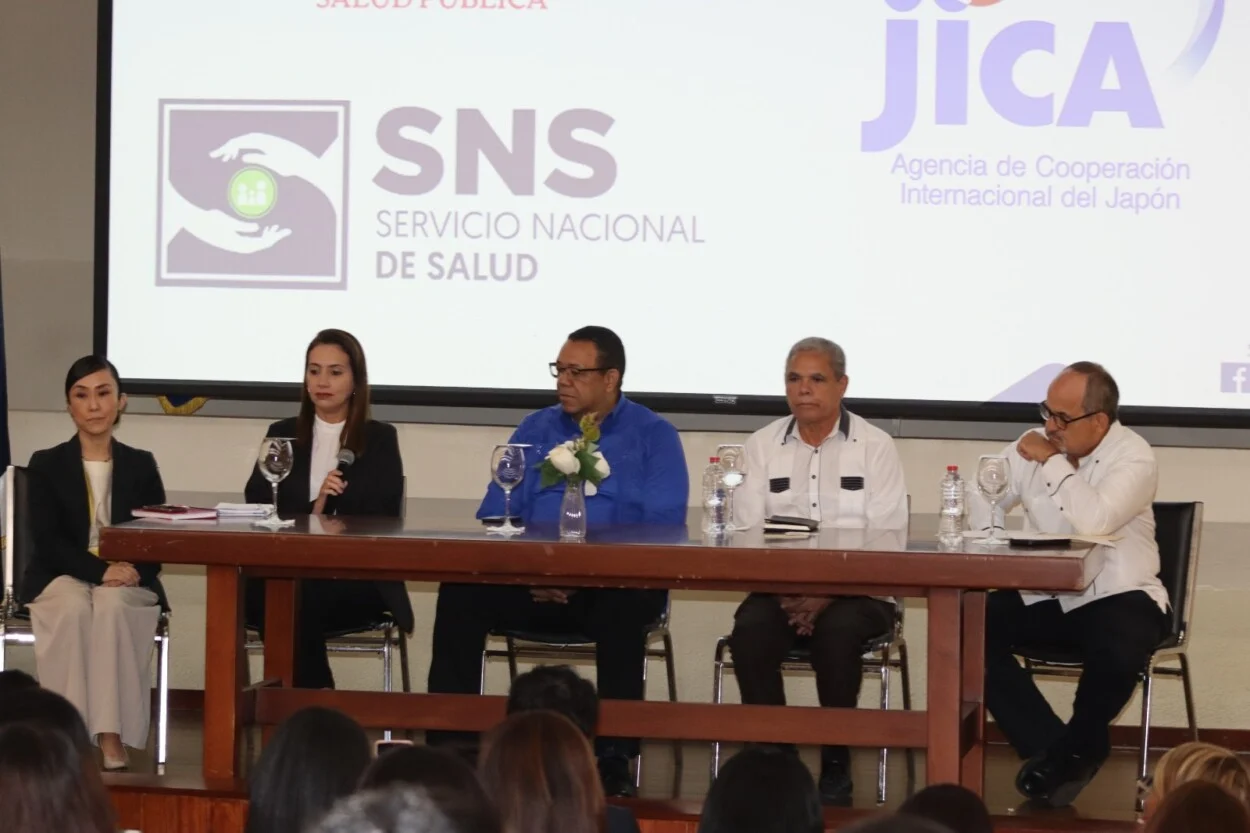
Santo Domingo.- National and international specialists agreed that adopting a humanized, evidence-based approach to pregnancy, childbirth, and newborn care can improve the safety of mothers and babies while strengthening the doctor–patient relationship and raising the quality of health services.
The proposal was discussed during a conference on maternal and child care organized by the Japan International Cooperation Agency (JICA), with support from the Ministry of Public Health of the Dominican Republic, the National Health Service, and the Pontificia Universidad Católica Madre y Maestra. The event also included participation from Brazil’s Sofia Feldman Maternity Hospital, recognized internationally for its humanized childbirth model. Participants reviewed the current state of maternal and child health care in the Dominican Republic and explored opportunities to move toward more dignified and patient-centered services.
Brazilian obstetrician João Batista explained that humanized childbirth goes beyond an emotional perspective and is supported by scientific evidence showing it can reduce risks and improve outcomes for mothers and newborns. He noted that the model is based on four pillars: the human experience of birth, care centered on women and their families, the empowerment of women as rights holders, and clinical practice grounded in scientific evidence.
Specialists also highlighted challenges across Latin America, including the excessive use of medical interventions and high cesarean section rates that often exceed international recommendations. José Joaquín Puello stressed that medicine must maintain its human dimension, noting that quality care depends not only on scientific knowledge but also on respectful treatment of patients. Meanwhile, JICA’s resident representative Kota Sakaguchi said the agency is working with Dominican authorities and other stakeholders to develop a humanized childbirth model aligned with international best practices. The event also included presentations on the role of obstetric nursing and discussions on how to strengthen maternal and child health services.














Now, that the amounts of Haitian births in the RD have been reduced by **41% or more it seems a window has opened a more “humanized” approach to better the quality of Dominican birth health services. It is sort of a tangible evidence without saying that Dominican health services were stressed out because of the demands of tending to the undocumented Haitian community in the RD. This was prior to the many deportations.