 Smaller
 Bigger
ISFODOSU launches Campus Verde program: a milestone for environmental sustainability
Santo Domingo.- The Instituto Superior de Formación Docente Salomé Ureña (ISFODOSU) has taken a pivotal step toward environmental sustainability with the launch of its Campus Verde program. This initiative marks a resolute commitment to fostering an eco-friendly future within its academic community and beyond.
The formal launch of Campus Verde was spearheaded by ISFODOSU’s Rector, Dr. Nurys del Carmen González, who emphasized the urgency of collective action in addressing climate change. “Humanity is at a critical juncture. Climate change is no longer a distant threat but a palpable reality, highlighting the vulnerability of our ecosystems. This program represents our unwavering commitment to sustainability and environmental stewardship,” stated Dr. González.
She urged the academic community to embrace the Green Campus initiative, emphasizing that education is the key to building a more sustainable world. “Every step we take for the environment is a legacy for future generations,” Dr. González stated.
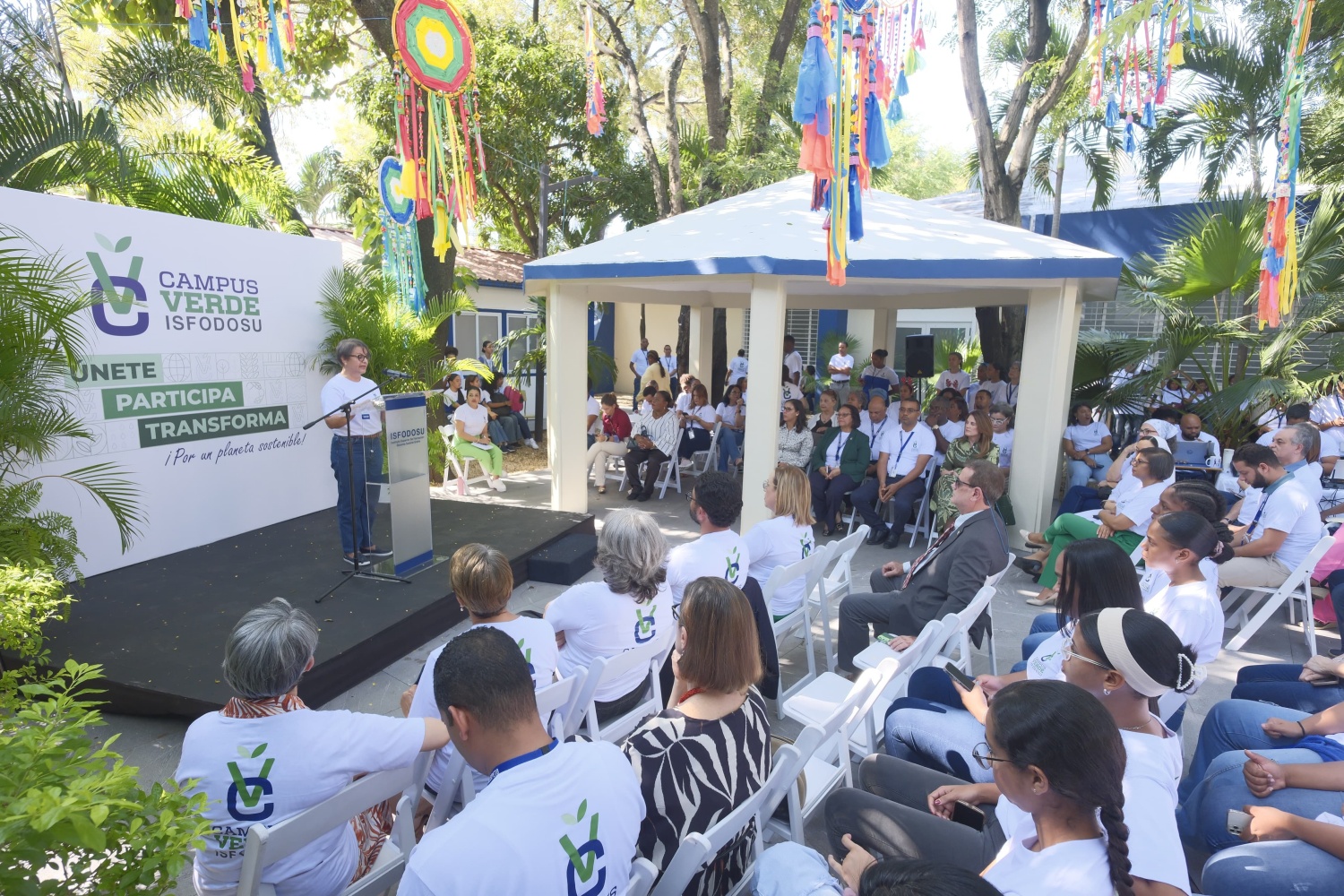
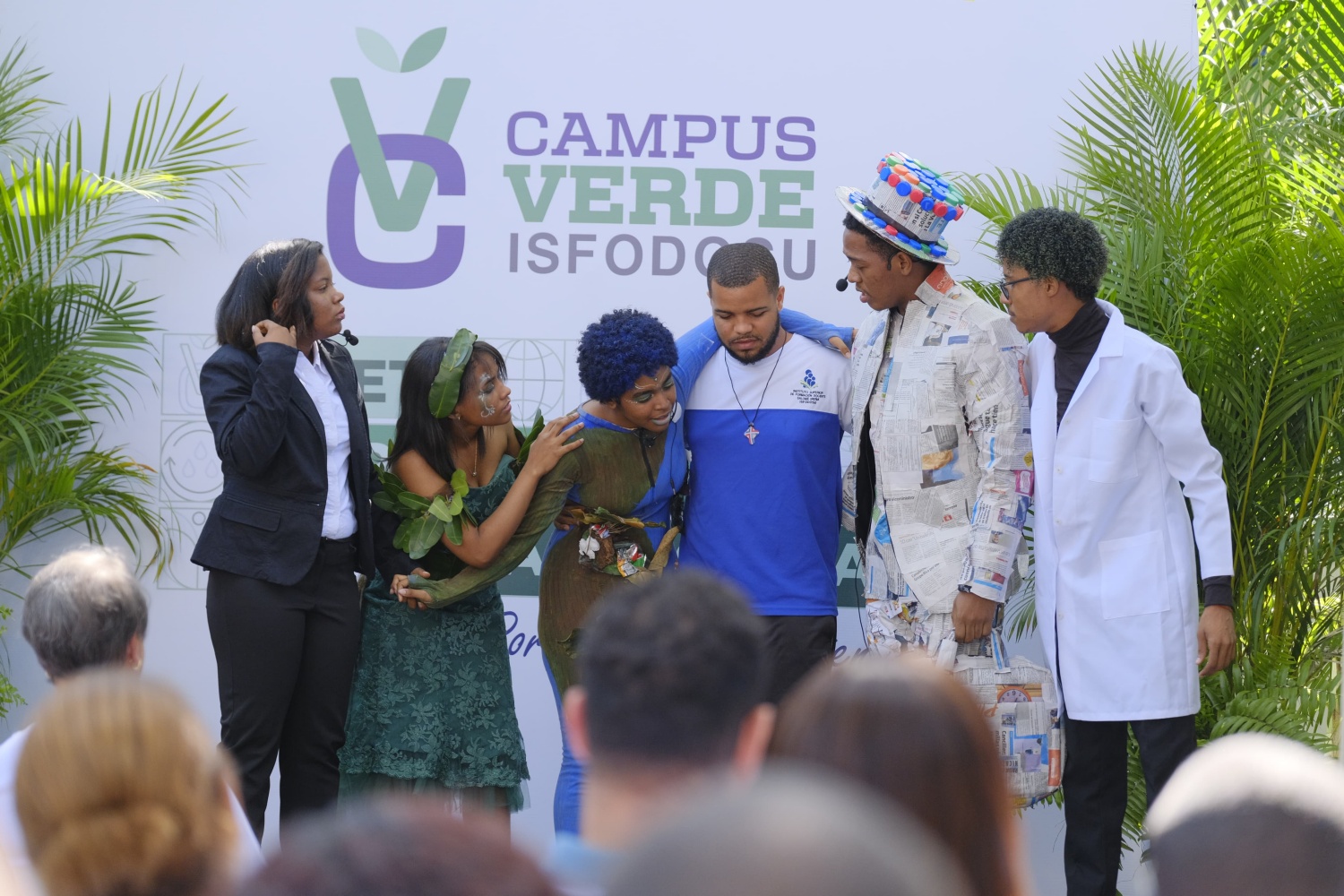
Distinguished guests from government, civil society, and academia attended the event, showing strong support for ISFODOSU’s sustainability mission. The launch included contributions from faculty, staff, and students, with artistic performances by students from the Eugenio María de Hostos campus bringing the mission to life. Experts also outlined the program’s operational structure.
At the program launch event, students from the Artistic Education and Physical Education departments of the Eugenio María de Hostos campus presented the theatrical play “Campus Verde Isfodosu.” (Photo: Isfodosu)
The program’s framework is rooted in global and national environmental accords, including the United Nations Sustainable Development Goals (SDGs), the Earth Charter, the Dominican Republic’s General Environmental Law 64-00, and the UNESCO 2022 Education Transformation Summit. It also draws inspiration from Pope Francis’ encyclical Laudato Si and the Dominican Republic’s National Development Strategy 2030.
Comprehensive and inclusive approach
Campus Verde integrates sustainability across all dimensions of university life, encompassing infrastructure, academic activities, student engagement, and community relations. Managed by the Vice-Rectory of Development and Innovation, under the leadership of Milta Lora, the program is designed to embed environmental consciousness in the institution’s ethos.
Key components of the program include:
- Curriculum development: ISFODOSU has restructured its academic offerings to prioritize sustainability. This includes a revised curriculum emphasizing environmental education and equipping future educators with the tools to instill eco-friendly values in their students.
- Administrative practices: Measures are already in place to conserve water and energy and reduce waste through efficient resource management.
- Community engagement: The program extends its impact beyond campus boundaries, promoting sustainability practices within the wider community.
A collaborative effort
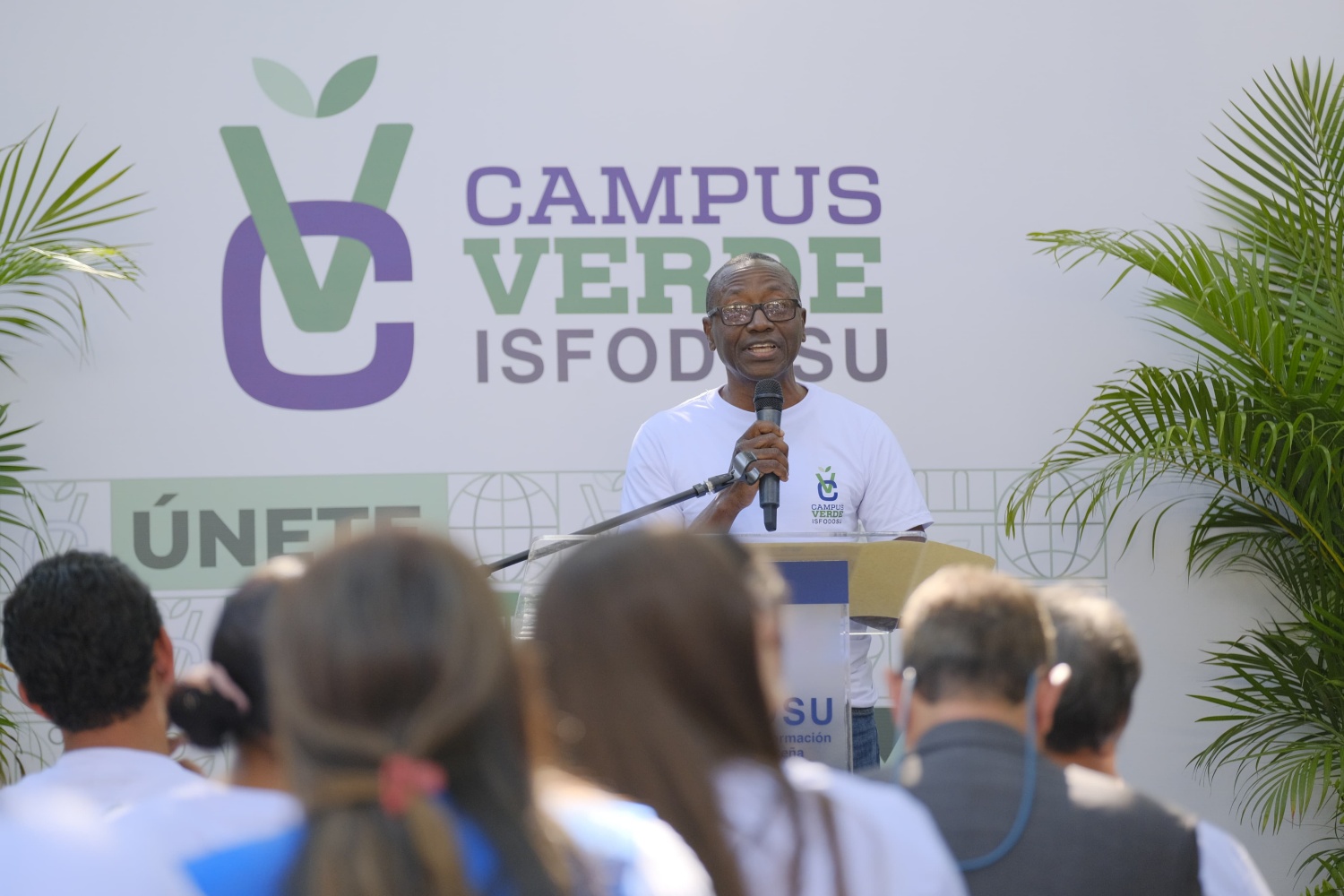
Campus Verde Coordinator Casimiro Maldonado, in his remarks on the Green Campus program, shed light on the remarkable strides and strategic foresight exhibited by ISFODOSU in its commitment to sustainability. Highlighting collaboration and concrete actions, Maldonado underscored the creation and bolstering of the Environmental and Sustainability Management Unit, which stands as a cornerstone of the program’s momentum. He pointed out that “strengthened leadership has been pivotal in driving the success of the program.”
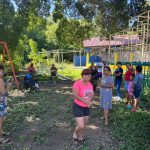
Professor Casimiro Maldonado detailed steps such as the purchase of reusable materials to replace single-use plastics and the implementation of green procurement policies. (Photo: Isfodosu)
He spoke about the comprehensive environmental diagnostics that provided essential baseline data, focusing on waste management and the reduction of the institution’s carbon footprint. Maldonado also emphasized the development of an action plan, crafted with input from both the academic and administrative communities, which includes energy efficiency measures like motion sensors for lighting in shared spaces.
Integration of sustainability principles into all undergraduate and graduate programs was another key point, fostering what Maldonado termed “ecological competence.” He also highlighted the promotion of research lines centered on environmental sustainability through ISFODOSU’s Vice-Rectorate of Research and Graduate Studies.
In the transition to sustainable practices, Maldonado detailed steps such as the purchase of reusable materials to replace single-use plastics and the implementation of green procurement policies. Additionally, he spoke about capacity building and partnerships, including training on carbon footprint measurement and collaboration with organizations linked to sustainability, such as UNESCO.
The establishment of Green Campus management teams at each site, supported by policies for resource efficiency and energy savings, was another significant achievement. In closing, Maldonado reaffirmed ISFODOSU’s unwavering commitment to advancing sustainability at every level of the institution.
Additionally, environmental advisor Rosaura Pimentel presented the program’s phased implementation strategy, adhering to a continuous improvement model: planning, executing, verifying, and refining actions to achieve measurable outcomes.
Inspiring future generations
Campus Verde aspires to instill a culture of sustainability that extends beyond academic settings. “As educators, we bear the responsibility of cultivating values of sustainability in future generations. Our graduates will lead by example, fostering environmental awareness and action within their communities,” Dr. González affirmed.
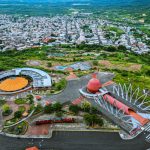
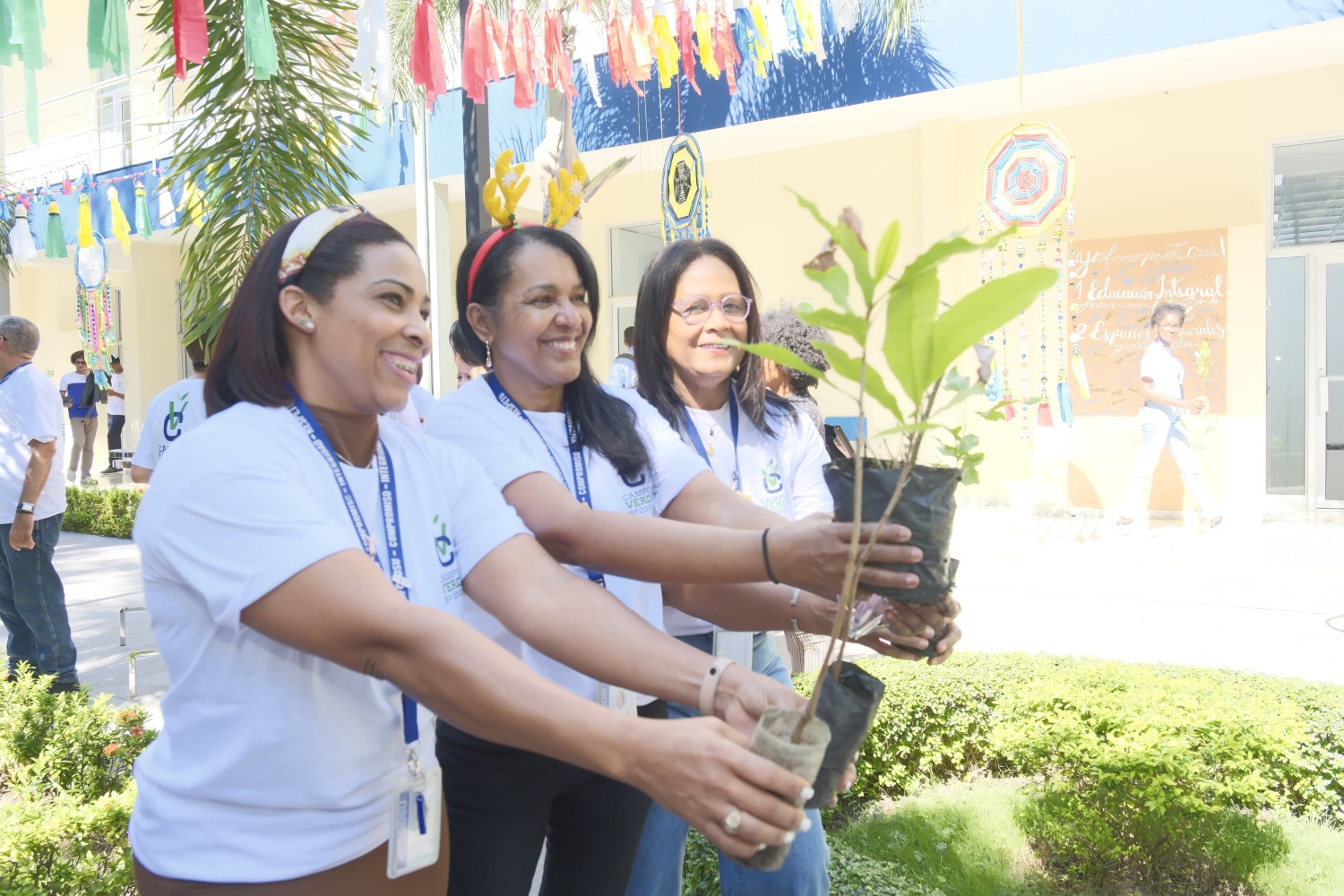
Campus Verde aims to promote reforestation and the care of plant species on the institute’s grounds, as well as implement a communication and awareness plan for the institutional and educational community on climate change, environmental sustainability, and conservation. (Photo: Isfodosu)
The program’s ultimate goal is to position ISFODOSU as a benchmark for environmental excellence, influencing national education policies and inspiring similar initiatives worldwide. Dr. González concluded with a call to action: “The future begins today. Together, we can transform our campus into a model of sustainability and create a legacy for generations to come.”