 Smaller
 Bigger
Low vaccination rates trigger diphtheria and whooping cough
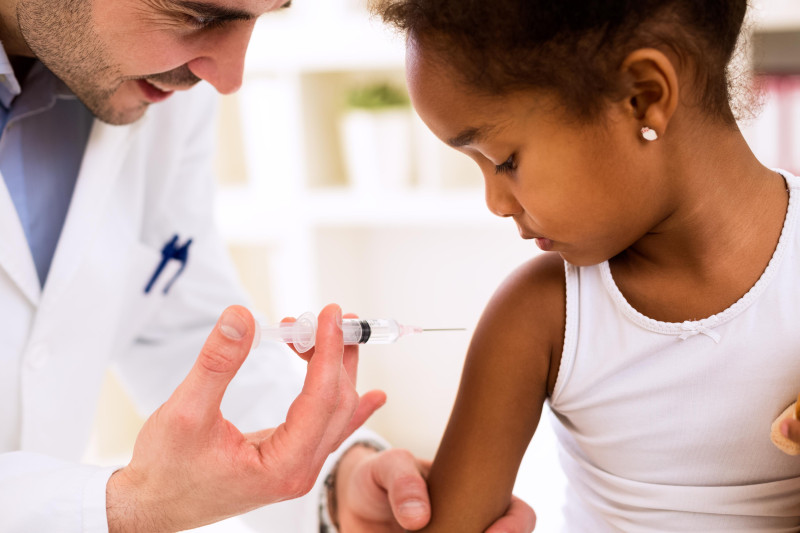
Dr. Luz Herrera, former president of the Dominican Society of Pediatrics, asserts that there is a decline in guidance and education for individuals in the country, something that, in her opinion, represents "a setback for the health system."
Santo Domingo, DR— Luz Herrera, former president of the Dominican Society of Pediatrics, described the increase in vaccine-preventable infectious diseases, such as whooping cough, diphtheria, tetanus, and meningococcal disease in non-neonatal children, as a “setback” and a “poor prognosis.”
According to the Ministry of Public Health’s epidemiological bulletin for week 30, the country recorded 53 cases of diphtheria and one death; 21 cases of whooping cough and two deaths; and 13 cases of meningococcal disease, with six deaths.
Additionally, 17 cases of tetanus were reported, representing a 15% increase compared to the same week in 2024.
“It seems that the vaccination rate has decreased, and vaccine-preventable diseases have increased. That’s the answer I give to that. There’s a decrease in guidance and education for people. This means a setback for the health system,” Herrera said.
Vaccination schedule
Herrera explained that the national immunization schedule establishes that the first vaccine for newborns is BCG (against tuberculosis) and hepatitis B.
At two months, the rotavirus vaccine (which prevents severe diarrhea), IPV (against polio), and pneumococcal vaccine are administered.
The pentavalent vaccine, which prevents diphtheria, tetanus, and whooping cough, is then administered at two, four, and six months of age, along with the pneumococcal vaccine.
At twelve months, children should receive the seasonal influenza vaccine and the MMR vaccine, which prevents measles, rubella, and mumps. At the same age, another pneumococcal booster shot is given.
At age four, the infant receives a second polio booster and again the pentavalent vaccine.
“These diseases are more common in children under five. Anti-vaccine movements have increased, and because of this, authorities are neglecting them, so these numbers are only going to increase,” Herrera said.
He added that children receive a third booster shot of the diphtheria and tetanus vaccine between the ages of nine and fourteen.
In the case of pregnant women, Herrera indicated that they are also given a dose of the pentavalent vaccine and the seasonal flu vaccine in the first months of pregnancy.
Given the increase in these cases, the specialist recommended completing the Ministry of Public Health’s vaccination schedule, continuing to educate parents about the importance of vaccines, and ensuring that health centers continue administering them, as they prevent mortality and morbidity (the onset of diseases).
What are these diseases?
Diphtheria
It is a severe bacterial infection that affects the mucous membranes of the nose and throat. It is prevented with the DPT vaccine, included in the national immunization schedule. Its symptoms include sore throat, hoarseness, swollen glands, runny nose, fever, and fatigue.
Whooping cough
Also known as pertussis or whooping cough, it is a highly contagious respiratory illness. It primarily affects young children with severe coughing attacks that make breathing difficult. Its initial symptoms resemble a cold, but the cough becomes more intense and distinctive.
Meningococcal disease
It is a severe bacterial infection that can cause meningitis (affecting the brain and spinal cord) or sepsis. Symptoms include high fever, severe headache, stiff neck, and sometimes a rash.
Tetanus
It is a severe disease that affects the nervous system. It is acquired through contaminated wounds and, although it is not contagious between people, it is preventable with vaccination. Its symptoms include muscle stiffness and painful spasms.