 Smaller
 Bigger
Study, 8.6% of the population was 65 years old in 2024

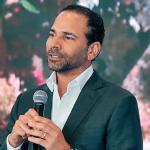
Dr. Santiago Hazim, director of the National Health Service
As of 2024, 8.3% of the Dominican population was 65 years of age or older, representing 14% of those enrolled in the Family Health Insurance Program. More than 70% of this population is covered by the state-run health insurance company (SeNa S), which enrolls more than 1.2 million older adults, equivalent to 17% of its total enrollment.
The data comes from a study by the National Health Service, which establishes that 68% of affiliated seniors belong to the subsidized system.
This highlights the importance of public funding to ensure timely, quality medical care for this population segment.
Concentration
Data show that the majority of older adults are between the ages of 65 and 74, which opens the opportunity to strengthen preventive programs and early detection of chronic diseases.
High cost
The growth of the 85 and older age group. However, it demands more high-cost services and geriatric care.
Disease groups
Ninety-four percent of authorized spending was concentrated in 13 groups of diseases, led by cancer (RD$12.2 billion), cardiovascular diseases (RD$9.9 billion), and endocrine and metabolic diseases such as diabetes (RD$6.4 billion).
Private sector
In addition, a high concentration of spending was observed in private clinics (25%), pharmaceutical providers (15%), and high-cost specialized centers (13%). The research, conducted by a multidisciplinary team of healthcare professionals, actuarial analysis, communication, and risk management professionals, was disseminated to the media as part of the institutional anniversary commemorative activities.
In the framework of its 23rd anniversary, the National Health Insurance (SeNaSa) presented the report, “Living Better in Times of Change: The Reality of Older Adults in Insurance at SeNaSa in the period 2020–2024.”
The research offers unprecedented data on the aging population in the Dominican Republic and its implications for the Dominican Social Security System.
SeNaSa Director Santiago Hazim emphasized that the institution not only ensures access to medical services but also leads research to improve decision-making.
“Our administration has been characterized by integrating research as a strategic tool. We care for the present and contribute to the future,” he stated.
“There’s always room for improvement, and this tool helps us make the necessary adjustments and continue improving the quality of life for all Dominicans during this stage of life,” Hazim added.
For SeNaSa, this report serves as a roadmap to strengthen the care network, guarantee territorial equity, and ensure the sustainability of the system, in line with the Government’s vision of protecting all citizens throughout their life cycle.