

 Smaller
 Bigger
Manual line disconnection triggered nationwide blackout, report says
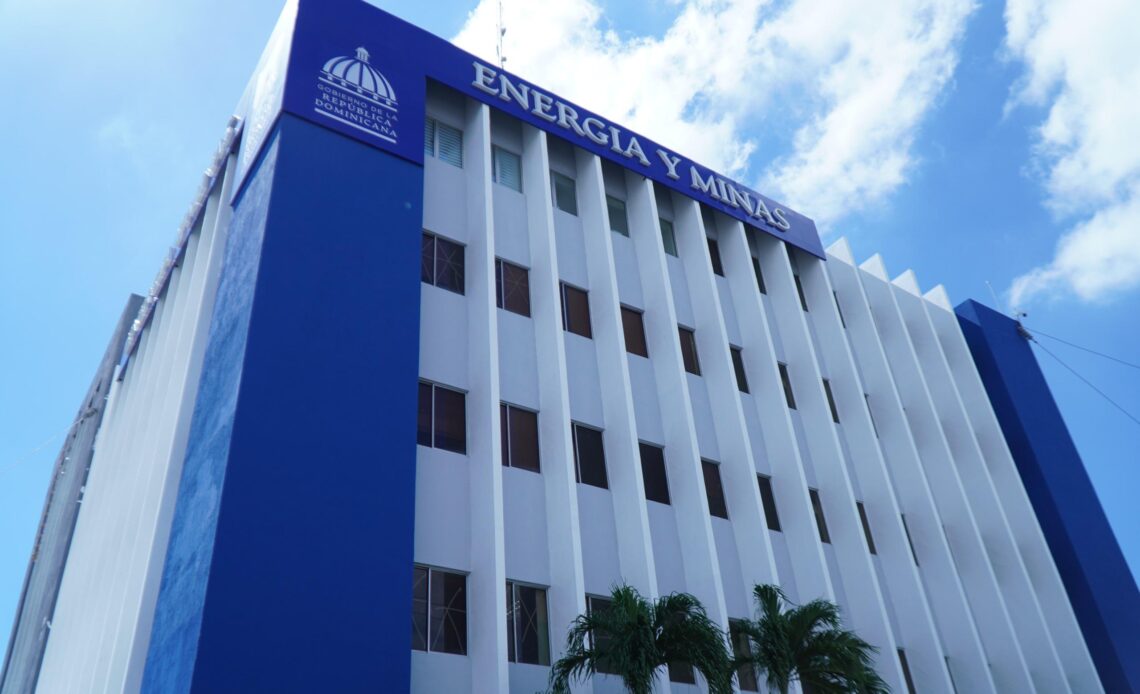
Santo Domingo.- The Coordinating Body of the National Interconnected Electric System (OC-SENI) announced that it has completed the technical investigation into the November 11 nationwide blackout and has published the full report on its website. The agency emphasized that the inquiry was conducted by a multidisciplinary team and finalized within the same month of the incident—much faster than similar investigations in countries like Spain or Chile, which can take up to five months.
According to the report, the blackout began at the 138 kV San Pedro de Macorís I substation, where a live line was manually disconnected, triggering a high-intensity short circuit. Protection systems responded immediately, but the fault caused several nearby lines to disconnect, separating 575 MW of generation in the eastern region from the rest of the grid. The imbalance caused major power plants to trip automatically as part of their built-in safety mechanisms.
Although SENI stabilized system frequency within the first 89 seconds, the grid remained vulnerable due to the absence of synchronized cold reserve capacity and incomplete replacement of EDAC circuits. This weakness led to a sudden frequency collapse that resulted in a total system shutdown.
The OC-SENI report not only reconstructs the sequence of events but also outlines corrective measures to enhance grid resilience. Recommended actions include installing additional protections in double-bus substations nationwide, improving operational protocols to leverage new thermal and renewable technologies, integrating battery-based storage for auxiliary services and black-start capability, adjusting protection settings and automatic disconnection schemes, and reviewing high-frequency criteria in several generation plants.
The Coordinating Body stated that it remains in continuous session to oversee implementation of these recommendations and to ensure improved efficiency, safety, and reliability across the SENI.














“Integrating battery-based storage for auxiliary services and black-start capability”, is talked about, but not done.