 Smaller
 Bigger
Return! Cases of chikungunya are being reported: practical tips for prevention
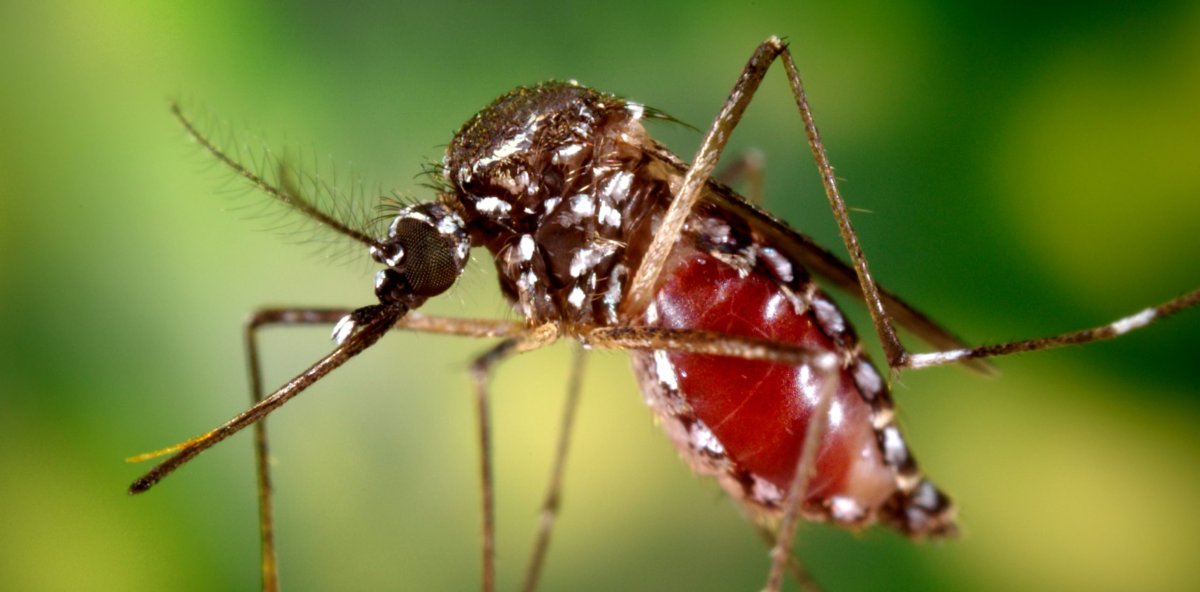
Three people from Cuba have tested positive for chikungunya, transmitted by the Aedes aegypti mosquito, the same vector as dengue and Zika.
The Ministry of Public Health reported last Thursday that three people from Cuba have tested positive for chikungunya, a disease transmitted by the Aedes aegypti mosquito, the same vector that transmits dengue and Zika.
Due to rainy seasons and the proliferation of breeding sites, this disease continues to pose a risk to the Dominican population; therefore, preventive measures must be taken to curb the development and growth of this mosquito.
Preventive measures
The World Health Organization (WHO) has specified that eliminating and controlling Ae. Aedes aegypti mosquito breeding sites reduce the chances of chikungunya and dengue virus transmission.
They also reported that, like dengue, this virus requires a comprehensive response involving several areas of action, from health to education and the environment.
These measures include eliminating or destroying mosquito breeding sites:
1. Avoid storing water in outdoor containers (flower pots, bottles, containers that can accumulate water) to prevent them from becoming mosquito breeding sites.
2. Cover domestic water tanks or reservoirs to prevent mosquitoes from entering.
3. Avoid accumulating trash, and dispose of it in closed plastic bags and keep it in closed bins.
4. Uncover drains that can leave water stagnant.
5. Using screens on windows and doors also helps reduce mosquito contact with people.