

 Smaller
 Bigger
Senator Taveras launches bold bid to shield Dominican politics from criminal infiltration
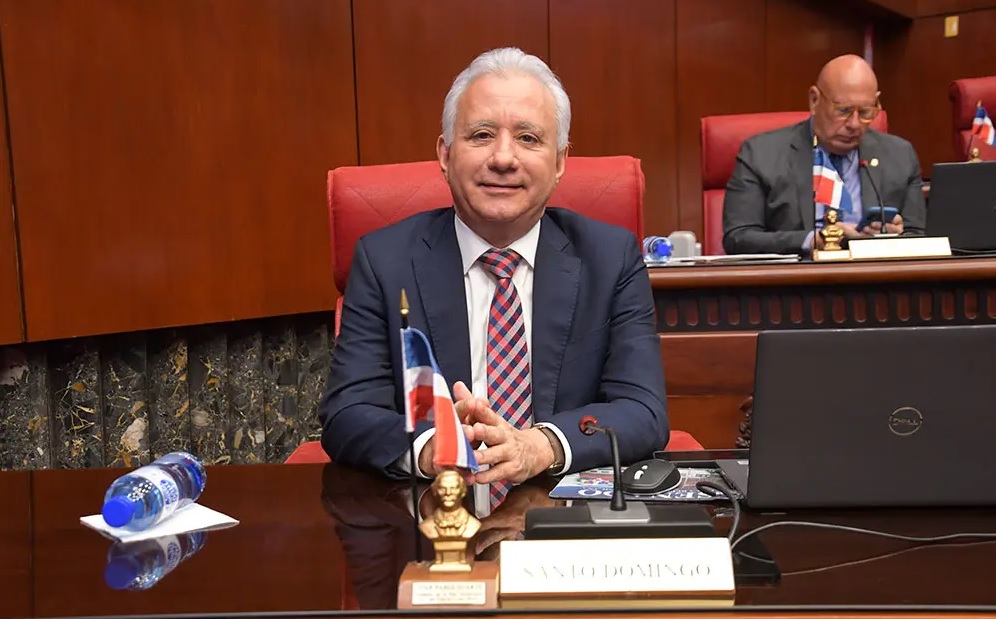
Santo Domingo.- In a decisive move, Senator Antonio Taveras Guzmán has introduced two legislative proposals aimed at safeguarding the Dominican Republic’s political landscape from admitting elements of organized crime. He highlighted a troubling trend: individuals facing charges for drug trafficking, money laundering, and ties to criminal networks have found their way into the political arena, a reality he describes as “shaping politics into a criminal marketplace.”
Taveras’s first bill would classify political parties, movements, and groups recognized by the Central Electoral Board (JCE) as non-financial reporting entities, subjecting them to anti–money laundering and anti-terror financing regulations in line with Law 155-17. The second proposal seeks to hold them criminally accountable under Law 74-25 —the country’s penal code— making parties themselves liable for illicit funding.
By targeting party structures directly, Taveras is raising the legal stakes. Any failure to prevent or report illegal contributions could lead to investigations, financial penalties, and even prosecutions—signaling the end of immunity for political institutions.
Crucially, this shift places accountability at the heart of electoral integrity. As Taveras warns, “When dirty money enters politics, democracy is prostituted.” He argues that without these legal safeguards, parties risk becoming “vehicles of crime,” rather than instruments of public service.
If approved, these laws would dramatically transform political financing. Parties would need to implement robust compliance systems, undergo routine financial audits, and ensure complete transparency in campaign funding. Even high-profile campaigns could be subject to forensic scrutiny.
Beyond procedural reform, Taveras believes this legislation has broader societal implications. By formally criminalizing illicit financial influence within party structures, the Dominican Republic would be sending a strong message domestically —and to international observers— saying that democratic institutions exclude criminal influence. “It’s not just about punishment, it’s about restoring faith in our democracy,” he emphasized.













Unfortunately, suspect the two bills will not get far. Ideally, they would tie the hands of corrupted politicians. The corrupted politicians are going to delay or vote down any safeguard that hinders their suspicious activities. The bills would have a better chance to pass if they were “referendum questions” for public vote.
Government leaders are obligated to report their assets to the Chamber of Accounts and possibly the Central Election Board. One would have to be hiding under a rock not to know the accuracy of these reports is arguable.