 Smaller
 Bigger
Joel Santos: scheduled maintenance on power plants does not compromise supply
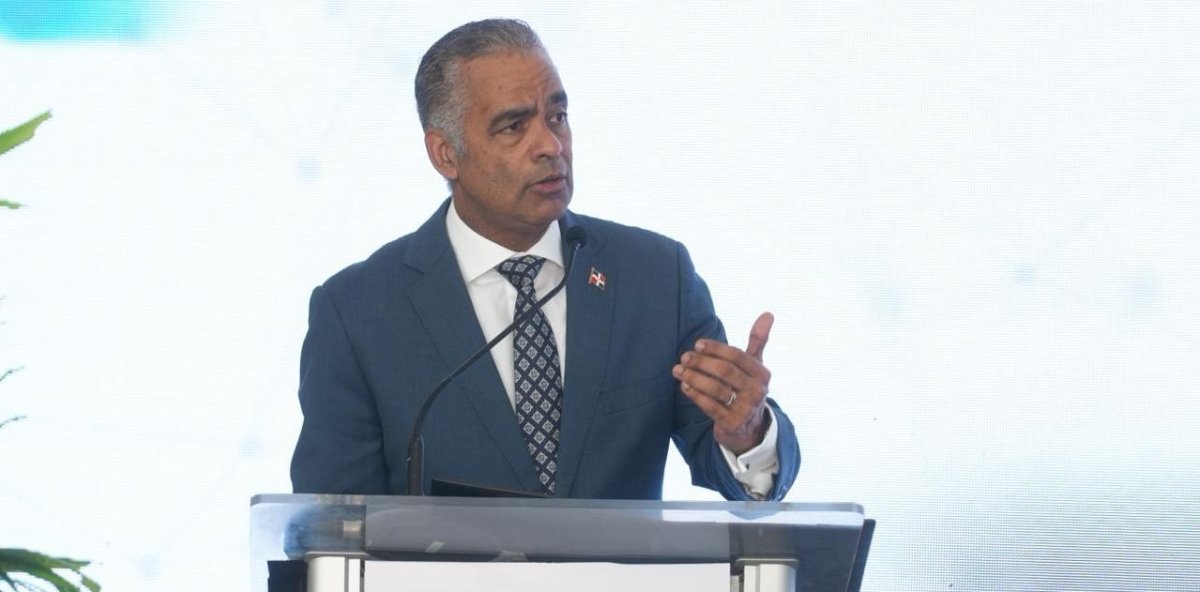
Joel Santos indicated that, although the exit of lower-cost plants such as Punta Catalina implies the punctual entry of higher-cost generation, this is a normal process within the operation of the electrical system.
The Minister of Energy and Mines, Joel Santos, explained that the scheduled maintenance in power generation plants, including the temporary outage of one of the Punta Catalina units, are part of a regular strategy of the electricity system and do not represent a risk to the supply.
The official explained that these works are carried out during the period of lower demand, between January and the end of April, with the aim of ensuring the availability of the plants in the months of highest consumption, which extend from May to October.
In this sense, he specified that the Punta Catalina 2 unit, with a capacity of 360 megawatts, will be out of service until April 30 as part of its scheduled maintenance, as previously happened with Punta Catalina 1 at the beginning of the year.
Santos clarified that this output does not equate to a significant reduction in the system’s capacity, since it represents less than 10% of the installed thermal generation, which currently amounts to about 4,400 megawatts.
He also stressed that the electricity system has various sources of generation that allow the demand to be supplied, including hydroelectric generation, with approximately 450 megawatts available; wind energy, which provides between 150 and 350 megawatts at night at this time of year; and solar energy, with an availability of close to 1,500 megawatts during the day.
The minister indicated that, although the exit of lower-cost plants such as Punta Catalina implies the punctual entry of higher-cost generation, this is a normal process within the operation of the electrical system.
“The important thing at this time is that the scheduled maintenance is carried out on time, to guarantee the availability of the plants during the months of greatest demand,” he said.
As for the capacity of the system to meet the increase in consumption, which could reach up to 4,300 megawatts in the hottest months, he assured that the country has the necessary installed capacity to respond to that level of demand.
In addition, he reported that the new Energía 2000 plant, located in Manzanillo, provides additional capacity to the system. This plant, which operates with natural gas, has a total capacity of 411 megawatts, of which about 290 are already in operation in the test phase, while the rest will be integrated into the system between the end of May and the beginning of June.
Santos also emphasized the importance of keeping the population informed about these processes, noting that timely communication contributes to a better understanding of the functioning of the electricity system.