
 Smaller
 Bigger
Environment Department unveils emergency sargassum cleanup plan
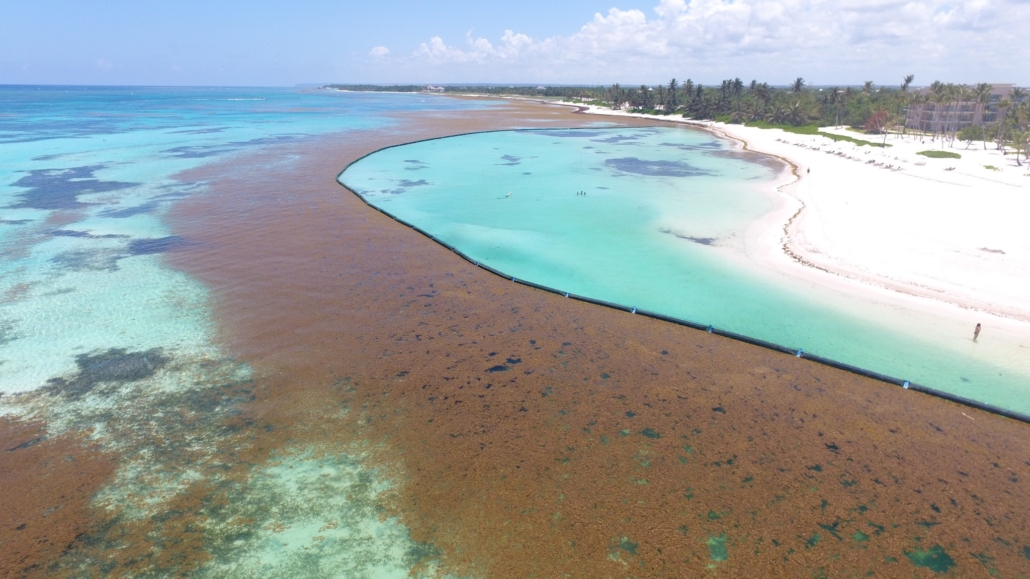
Santo Domingo.- The Ministry of the Environment issued an emergency plan that includes guidelines for collecting sargassum from Dominican beaches as a way to address the large quantities of algae currently impacting the country.
The guidelines are contained in Resolution 0046-2025, which authorizes hotels, restaurants, and environmentally licensed projects to use light machinery “for the collection of sargassum, exclusively within the 60-meter zone, respecting the established limits.”
The document includes, within light machinery, trucks weighing up to 3,000 kilograms loaded and specialized equipment.”
The resolution prohibits the use of heavy machinery within a 60-meter zone of the high tide line, including dump trucks, mechanical shovels, motor graders, bulldozers, and backhoes.
The entity notes that the provision, issued on July 10, will only be in effect for 10 days from the date of publication of the resolution.
The resolution, in its third article, prohibits the use of equipment in sea turtle nesting areas, as identified by the Ministry of the Environment.
Other measures include the authorization of floating barriers at sea, which divert or contain sargassum, facilitating its collection by vessels.”
The collection work will be carried out between 6:00 a.m. and 6:00 p.m., as per the resolution, which orders the final disposal of the algae at locations approved by the authorities.
The document also prohibits the storage or accumulation of sargassum along the coastline to prevent unpleasant odors, fermentation, and the generation of leachate in those areas.
The eighth article states that entities responsible for collecting the seaweed must include in their environmental compliance reports aspects such as the amount of sargassum collected by area, the volume delivered for processing and final disposal, and the identification of the contracted environmental managers.
Authorities warn that any environmental impact generated by these activities “will be the responsibility of the developer, who must adopt preventive measures to guarantee the protection of coastal and marine ecosystems.”
In a statement, the Ministry of the Environment reported on a meeting held last week between representatives of the state institution and hoteliers to guide actions for the collection, containment, disposal, and sustainable management of sargassum.
He added that an operation was carried out by technicians from the Vice Ministries of Coastal and Marine Affairs, Soil and Water, and Environmental Management, in coordination with representatives of the Hotel and Tourism Association ( Asonahores ) and the local tourism cluster, during which inspections were carried out in more than 15 hotel properties, from Uvero Alto to Cabeza de Toro.
During the day, the technicians verified the current handling of sargassum, the temporary collection points, and the operating conditions of these hotels to determine which properties can operate their own temporary collection centers and which must dispose of sargassum only at the final disposal site authorized by this ministry.
Additionally, the ministry stated that it is working on several international cooperation proposals aimed at achieving objectives such as installing a satellite system to monitor the location and trajectory of sargassum, as well as installing barriers on beaches to protect Dominican beaches.