
 Smaller
 Bigger
ISFODOSU publishes “Gestión y liderazgo desde las emociones” by Bismar Galán
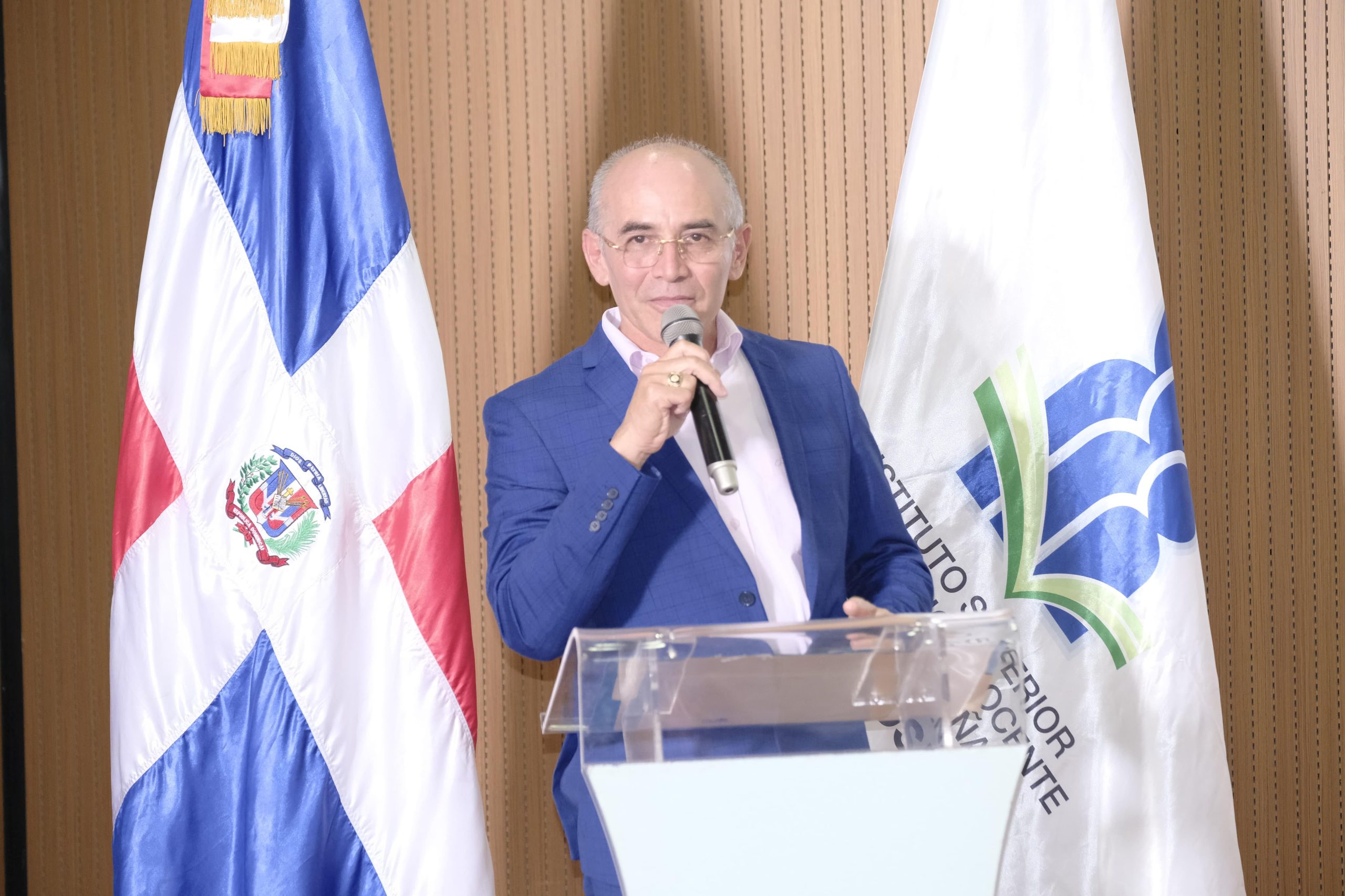
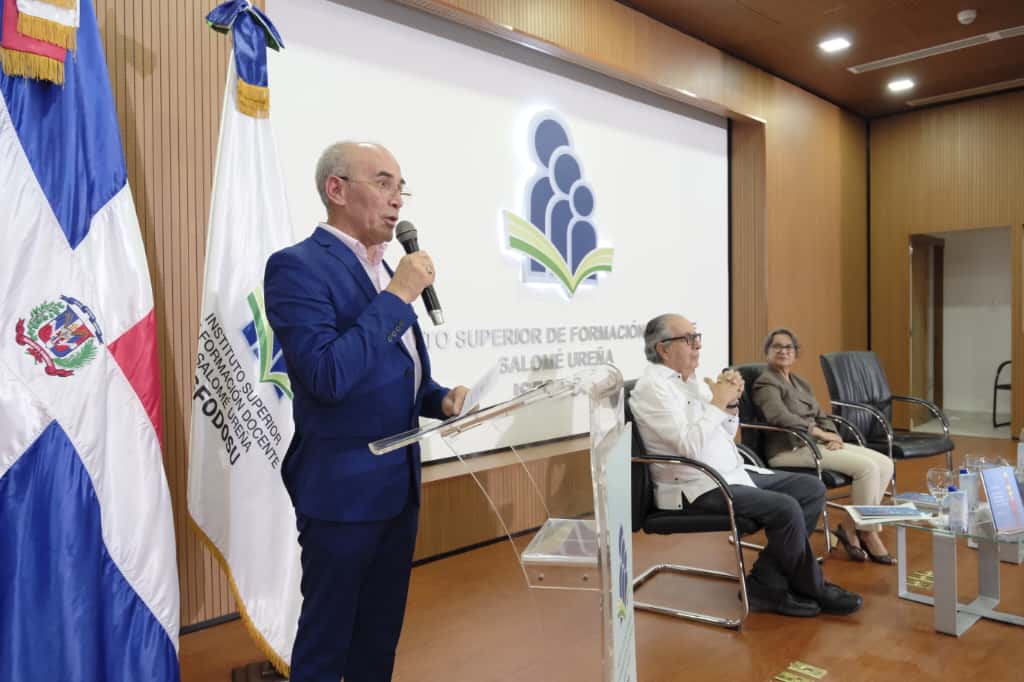
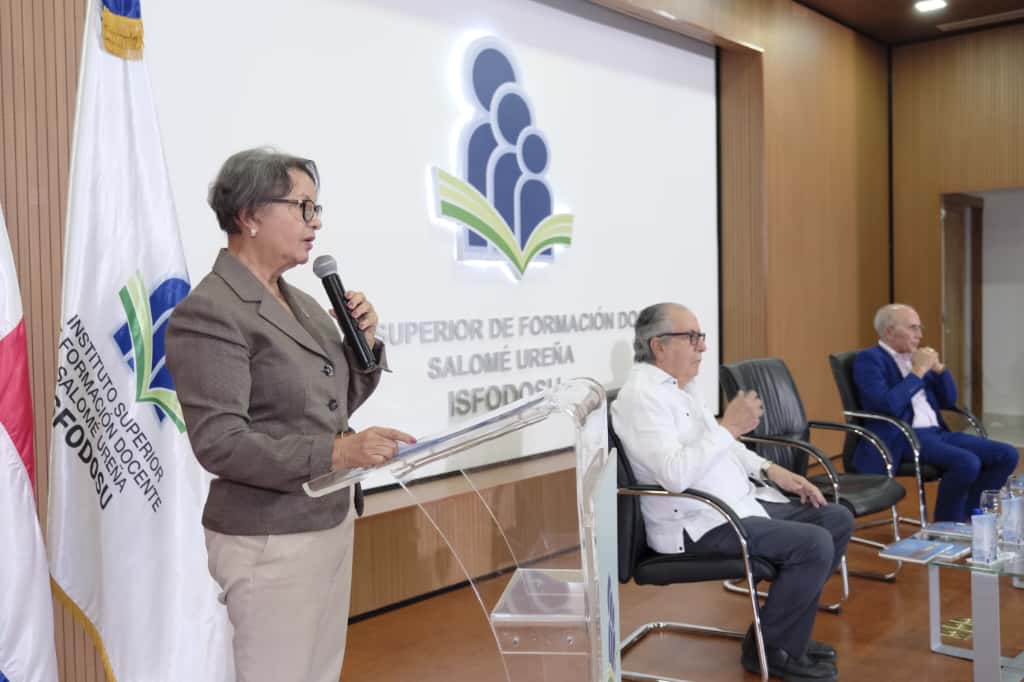
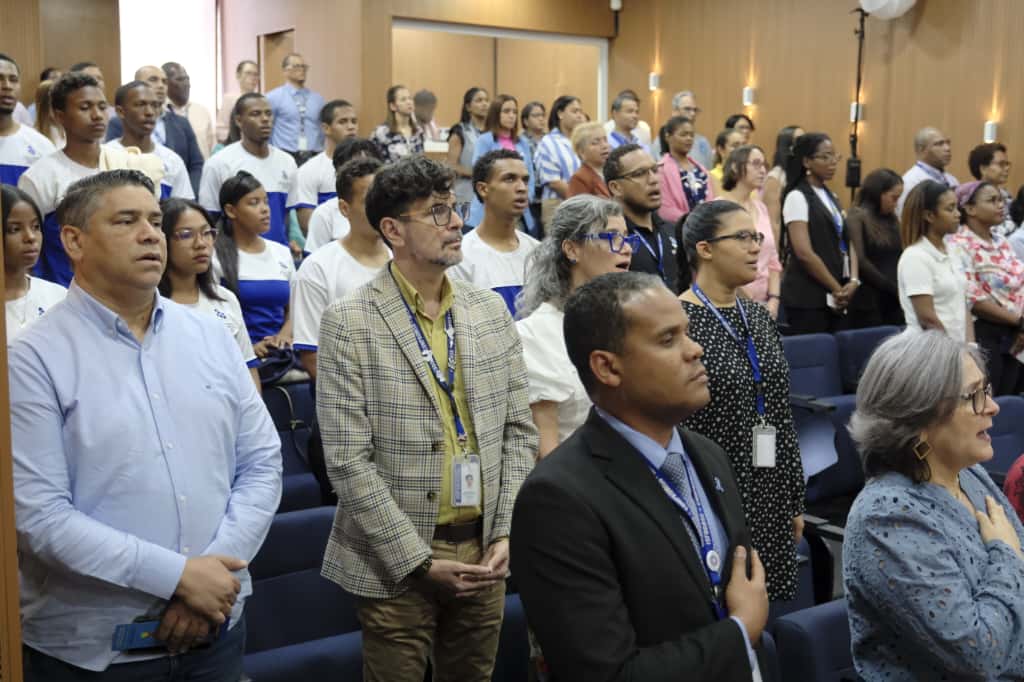
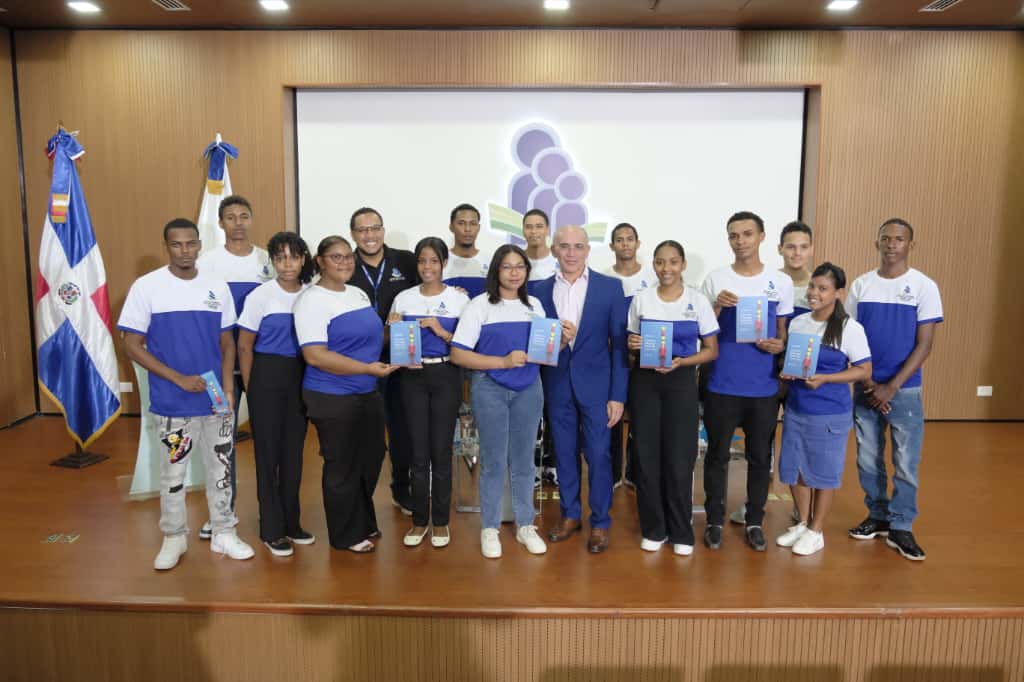
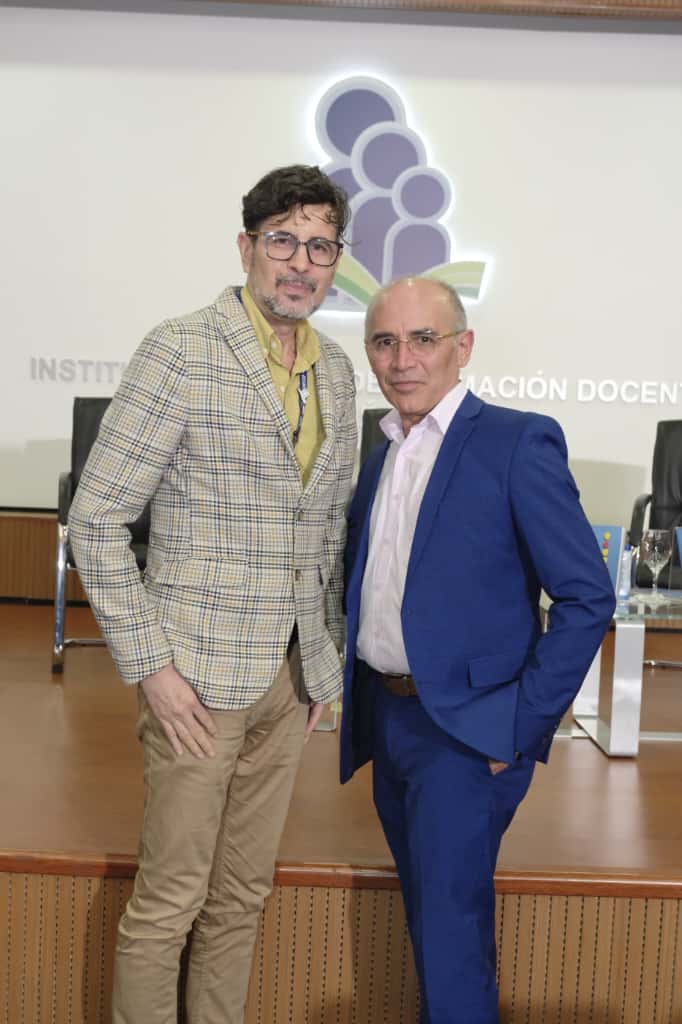
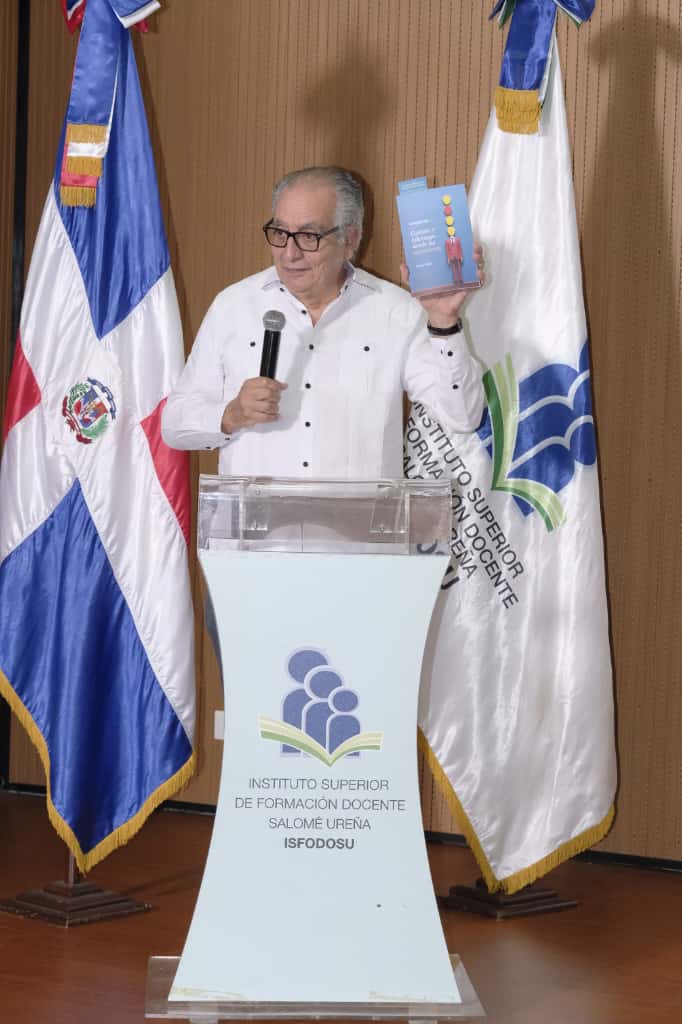
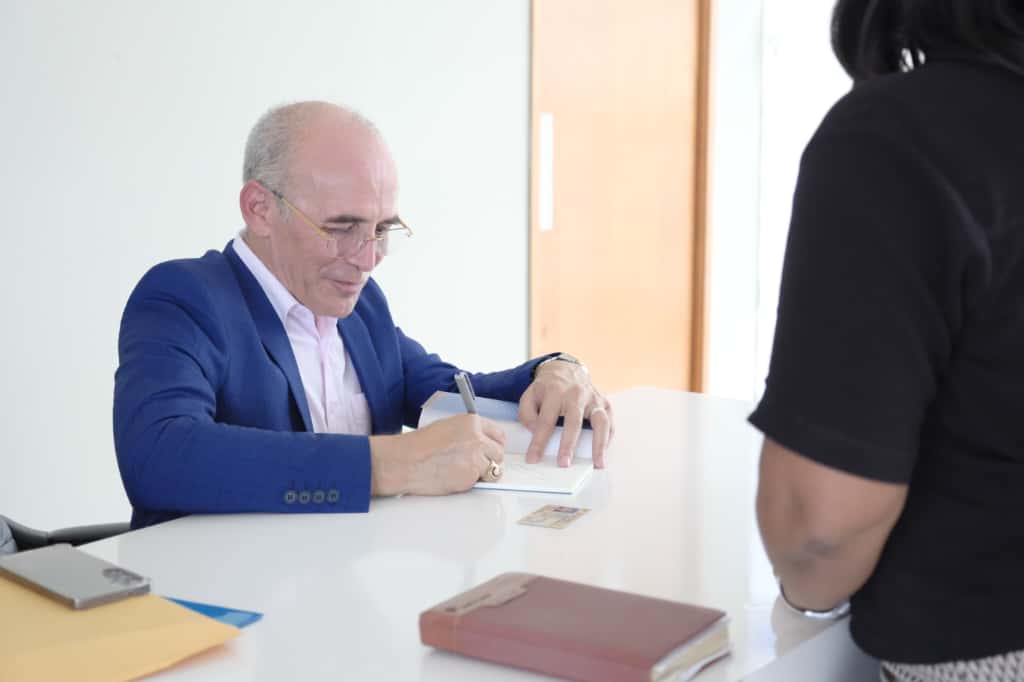
Santo Domingo.- The Instituto Superior de Formación Docente Salomé Ureña (ISFODOSU) presented Gestión y liderazgo desde las emociones, a new book by educator Bismar Galán, at a ceremony attended by the institution’s executive and administrative staff, as well as students and a some public officials. Published by ISFODOSU’s editorial arm, the volume reframes educational leadership through the lens of emotional intelligence, emphasizing empathy, self-awareness, and human connection as essential pillars of effective management in schools.
Galán, who serves as director of Graduate and Continuing Education at ISFODOSU and has nearly four decades of experience in institutional leadership, said the book grew out of his work as vice-rector of the Urania Montás campus in San Juan de la Maguana. What began as a brief, testimonial article evolved into a full-length study after colleagues and supervisors encouraged him to expand his reflections into a practical manual for managers at multiple levels of the education system.
“We do not manage institutions, processes or people; we manage emotions,” Galán told attendees, articulating the book’s central thesis. The phrase captures his belief that effective leadership requires not only administrative skill but also self-awareness, empathy and the capacity to create emotionally healthy learning communities.
At the presentation, Galán publicly thanked ISFODOSU and several people involved in the editorial process. He singled out ISFODOSU’s rector, Dr. Nurys del Carmen González Durán, and the publishing team — Miguelina Crespo, Adrian Morales, Vilma Martínez, Julissa Ivor Medina and Yelitza Sosa — for their steadfast support in the editorial process. He also expressed gratitude to Dr. Miguel J. Escala, who wrote the book’s prologue, for his friendship and sustained commitment to the project.
A practical model: the “dynamic algorithm” of emotional leadership
Dr. González Durán, ISFODOSU’s rector, described the book as an innovative and timely contribution that emphasizes the importance of emotional intelligence in institutional decision-making. She highlighted Galán’s proposed “dynamic algorithm of emotional leadership,” a seven-dimension model that the author presents as a practical roadmap for school managers: know yourself, know others, commit, accompany, involve, motivate, and recognize.
“Through this model, Galán offers a useful guide for those who aspire to lead with both humanity and efficiency,” González Durán said, praising the book’s concrete tools for communication, conflict resolution and team motivation. She argued that the work has particular value for strengthening collaborative workplace cultures and for training leaders who can foster emotionally healthy school environments.
An urgent call for emotional leadership
In his prologue, Dr. Miguel J. Escala, a prominent figure in Dominican higher education, situates Galán’s proposal within the country’s current educational context. Escala notes that public demands have shifted: citizens no longer ask only for higher budgets but demand quality, accountability and measurable results. In that sense, he argues, integrating emotional dimensions into planning and decision-making is not optional but essential.
“School leaders must integrate the emotional dimension into planning and decision-making if they hope to transform schools into effective learning and convivencia spaces,” Escala writes, calling the book “a guide to lead with empathy, courage and vision.” He frames the work as a response to the sector’s urgencies and an invitation to combine theory, practice and willingness to act.
From conflict to collaboration: practical tools for school life
Throughout the book, Galán examines core elements of emotional leadership — self-awareness, empathy, motivation, assertive communication and self-regulation — illustrated with examples and case studies from everyday school life. He dedicates a chapter to conflict resolution, advocating that disputes be treated as learning opportunities and proposing mediation and dialogue as alternatives to punitive responses.
Galán also stresses the role of enthusiasm as a leadership multiplier: an engaged, optimistic director can catalyze commitment, creativity and morale among staff. He recommends leading by example, aligning words with actions and building institutional trust through transparent, respectful communication.
The book further addresses the often-neglected welfare of school leaders themselves. Galán urges institutions to create psychological support and rest programs for staff, arguing that no leader can guide calmly while suffering chronic exhaustion. “You cannot lead with serenity if the leader lives under the weight of burnout,” he warns.
ISFODOSU reaffirms teacher training mission
By publishing Gestión y liderazgo desde las emociones, ISFODOSU reaffirms its commitment to holistic teacher formation that goes beyond technical competencies to include emotional and ethical dimensions. The institute positions the book as a resource for directors, teachers, families and students working toward a more humane and effective school culture.
As Galán put it in closing: “Managing from the emotions is building from what is human.” In a context of mounting educational demands and social challenges, the author’s call for emotionally attuned leadership offers a timely, practice-oriented contribution to the national conversation on education reform.