

 Smaller
 Bigger
Opposition party accuses Environment Ministry of “selling” permits amid alarming volume
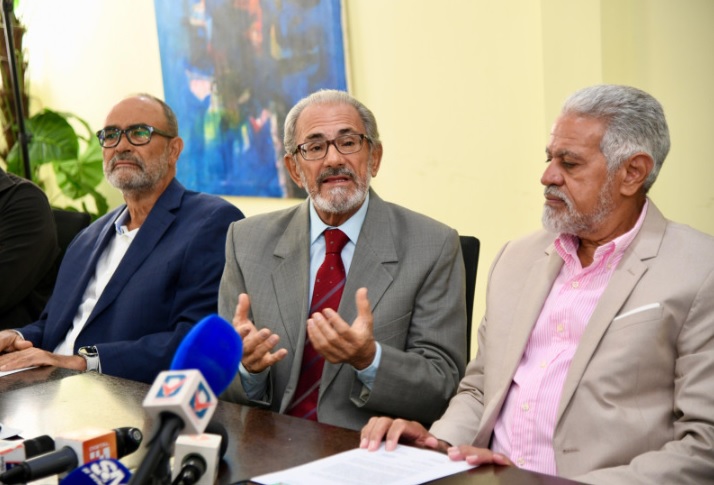
Press conference of the Fuerza del Pueblo Secretariat of the Environment. (Photo: Listín Diario)
Santo Domingo.- The Dominican Republic’s opposition party, Fuerza del Pueblo (FP), has lodged serious allegations against the Ministry of Environment, claiming it issued more than 6,000 environmental permits in just 11 months—an “astronomical” and “unviable” figure that suggests potential irregularities in the approval process. FP’s Environment Secretary, Paino Abreu, argued that the Ministry lacks the technical and administrative capacity to process such a volume while maintaining legal and environmental safeguards.
FP’s accusations go beyond numbers, highlighting what they call a “distorted” management model that involves manipulating data, weakening environmental impact assessments, and enabling intermediaries to facilitate permits in exchange for illicit payments. The party said it had submitted a formal report entitled “Worrisome licenses and permits” and is demanding a forensic audit by the Chamber of Accounts and immediate intervention from the Office of Ethics and Government Integrity (OEIG) to investigate these alarming claims.
The opposition also raised concerns about the veracity of official environmental statistics, alleging that government-released figures on forest coverage and timber imports are either inflated or misleading. Abreu warned of deteriorating labor conditions for park rangers and institutional neglect of protected areas, a sign, FP says, of a systemic degradation of the country’s environmental governance.
With reference to parallels drawn from past corruption cases —such as the scandal involving the National Health Insurance (SeNaSa)— Fuerza del Pueblo emphasized that if irregularities are confirmed, this scandal would seriously undermine both environmental sustainability and public trust. The party is urging authorities to act swiftly and transparently: this isn’t just a procedural lapse, but a potential crisis in environmental stewardship.















Selling and buying permits in the RD is an unregulated sport.