 Smaller
 Bigger
At least eight respiratory viruses attacked the population in 2025.

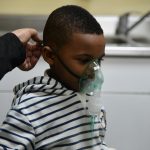
Respiratory viruses, including influenza, respiratory syncytial virus, coronavirus, adenovirus, parainfluenza, and metapneumovirus, remained active. File/LD
Santo Domingo, Dominican Republic — Respiratory viruses, dengue, malaria, leptospirosis, diphtheria, pertussis, tetanus in non-neonatal ages, and meningococcal disease were the pathologies that were active during 2025, within the different events under special epidemiological surveillance maintained by the National Directorate of Epidemiology of the Ministry of Public Health.
Of these reports, only leptospirosis, pertussis, and meningococcal disease registered a higher number of cases in 2025 than those reported by the system in 2024, while the rest of the indicators register lower numbers, as there is only one week left to close the epidemiological year, which reflects the behavior of diseases under surveillance and mandatory notification.
Sentinel surveillance identified circulation of various respiratory viruses over the past year, including influenza A(H1N1) pdm09, influenza A (H3N2), influenza B Victoria, adenovirus, SARS-CoV-2, respiratory syncytial virus, parainfluenza, and metapneumovirus.
According to the reports in the corresponding bulletin for epidemiological week 51, up to December 19, 2025, the country registered 325 confirmed cases of dengue, 874 cases of malaria, 182 cases of leptospirosis, 1 case of human rabies, 12 cases of diphtheria, 22 cases of tetanus in other ages, 47 cases of pertussis, and 34 cases of meningococcal disease.
There were also 174 maternal deaths and 1,789 infant deaths.
Regarding respiratory viruses, the official report indicates that during the last four weeks of 2025, there was a marked increase in cases, mainly due to respiratory syncytial virus (RSV).
This behavior, Public Health points out, indicates a more intense circulation of RSV in the final phase of the year, suggesting a seasonal pattern with greater activity at the end of the analyzed period.
It is noteworthy that, when analyzing the weekly distribution, a significant increase in RSV activity was identified between epidemiological weeks 43 and 46, followed by a downward trend in weeks 47 to 50.
It notes that this behavior may be associated with factors such as population dynamics during end-of-year holidays, weather conditions, and interactions with other respiratory viruses.
The report indicates that the epidemic curve shows an early peak in the final quarter, highlighting the importance of maintaining active surveillance and reinforcing preventive measures for vulnerable groups during these critical periods.
Remember that PAHO/WHO reports an increase in the circulation of the influenza A(H3N2) subclade K virus (J.2.4.1) in several regions of the world, especially in Europe and East Asian countries, where it has accounted for almost half of the sequences reported between May and November 2025.
The PAHO/WHO recommends strengthening genomic surveillance, maintaining high vaccination coverage, and ensuring preparedness for possible early or more intense activity during the 2025-26 season, prioritizing the protection of older adults and people with risk factors.
vaccination and surveillance
In its report, Public Health highlights that the combination of sustained vaccination and active epidemiological surveillance enabled the Dominican Republic to maintain zero cases of vaccine-preventable diseases in 2025, including measles and rubella, and to achieve significant reductions in other public health events of interest.
It adds that the Epidemiological Bulletin for week 51 shows the impact of prevention actions, active case finding, timely response to outbreaks, and the strengthening of the National Epidemiological Surveillance System (SINAVE), which allowed for the control of prioritized diseases and events.
Among the leading indicators, the reduction in maternal mortality stands out: 163 deaths were reported in 2025, down from 170 in 2024, due to improvements in maternal care and ongoing training of health personnel.
Similarly, infant mortality decreased by 18.93%, with 1,764 deaths reported up to epidemiological week 51, compared to 2,176 in the same period of the previous year, consolidating advances in maternal and child care.
It indicates that the country recorded no confirmed cholera cases, representing a 100% reduction. Likewise, dengue cases decreased by 76% between epidemiological weeks 1 and 51, with a year-to-date total of 320 confirmed cases.
Regarding malaria, 869 cases were confirmed, representing a 17% reduction compared to 2024, with no deaths recorded.