 Smaller
 Bigger
70% of minor crimes in the National District are linked to drug use
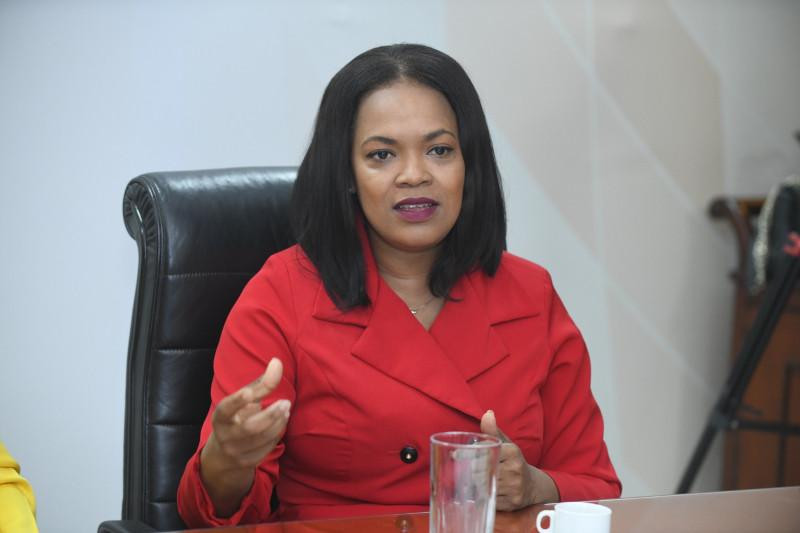
Kenya Romero, judge. LISTIN DIARIO
Santo Domingo — A feasibility study has revealed a stark reality: 70% of minor offenses prosecuted in the National District are directly related to problematic substance use.
This was revealed by Magistrate Kenya Romero, coordinator of the Courts of Instruction in this jurisdiction, during a presentation on the progress of a pilot program focused on restorative and therapeutic justice.
During his speech on the panel “Treatment Under Possible Judicial Supervision,” held as part of the 2026 Judicial Power Conference, Romero explained that this model seeks to transform the traditional system.
Instead of the adversarial approach—where the parties face each other—a collaborative approach is proposed where the court closely monitors the defendant’s recovery.
A human perspective on the legal conflict
The program allows for the selection of defendants with narcotics dependence under strict legal and health criteria.
According to the magistrate, this facilitates a health intervention that transcends the courts and offers a way out of the thousands of cases stalled by minor infractions.
“The goal is to have a more human perspective. The judge remains a judge, but understands that the person has risk factors and a recurring health issue,” Romero emphasized, clarifying that the objective is to strengthen the judicial role with medical tools.
The Puerto Rico model: Public health and millions in savings
The panel included the participation of the administrative judge of Bayamón, Puerto Rico, Carmen Otero, who highlighted that in the neighboring island, therapeutic justice is a State policy enshrined in the Constitution.
Otero presented figures that invite economic reflection: prison confinement in Puerto Rico costs the State approximately 343 million dollars annually.
In contrast, prevention and supervised treatment programs are not only more economical, but also guarantee a more effective moral and social rehabilitation.
“In the therapeutic approach, the parties work as a team and together towards recovery. While the traditional process is adversarial, this one is collaborative,” stated the Puerto Rican magistrate.
The consensus among the judges was clear: the justice of the future must be able to heal the causes of crime, and not just punish its consequences.
These presentations were developed within the framework of the Criminal Process Optimization Plan, a central focus of the 2026 Judicial Power Conference.
This event positioned the Dominican Republic as a benchmark in legal modernization, bringing together 68 international exhibitors, representatives from 25 countries, and more than 6,000 participants in an immersive three-day event.