

 Smaller
 Bigger
The Dominican Republic’s three pillars for attracting investment
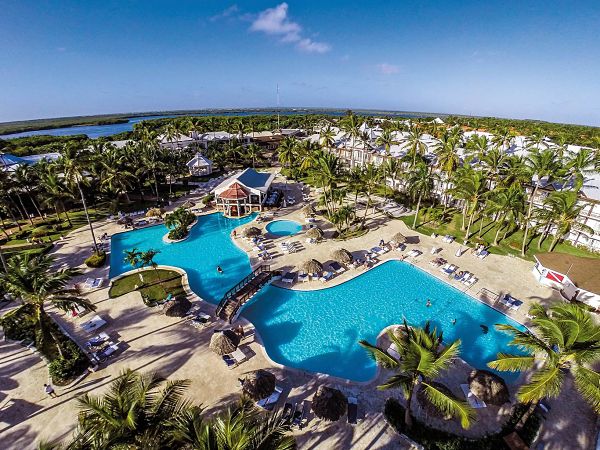
The Dominican Republic stands out as one of the undisputed tourism leaders of Latin America and the Caribbean, not only for its diverse offerings but also for the number of visitors it receives, which continues to exceed figures year after year. Furthermore, it boasts robust gastronomy and a variety of activities to enjoy as a family.
In that regard, Craig S. Smith , CEO of the hotel management company Aimbridge , stated that the Caribbean country is attractive for international hotel investment due to its combination of strong leisure demand, favorable market dynamics, and a Government committed to tourism growth.
He explained that this appeal is evidenced by its well-established air connectivity, expanding infrastructure, and reputation as a top-tier Caribbean destination. In fact, he asserts that responsible infrastructure development, particularly in emerging destinations, is key to unlocking even more opportunities to strengthen the investment environment, according to El Dinero.
Attractive
In addition to its attractiveness to investors, Quisqueya stands out in the Caribbean for its “exceptional” balance of value, quality, and accessibility. “The country offers one of the most competitive cost-quality ratios in the region, consistently providing an experience that exceeds travelers’ expectations at its price point,” he points out.
The Central Bank notes that the country received a total of 7.1 million non-resident visitors through its various international airports during the period January-October 2025, equivalent to an increase of 183,543 people (2.6%) compared to the first ten months of 2024. A downward adjustment in average daily spending per tourist was also recorded in July-September, at US$164.83, compared with US$176.67 in the first quarter.
According to Smith, the Dominican Republic feels less commercialized than some of its neighbors, which, in his opinion, gives it a sense of authenticity and natural beauty that resonates “strongly” with today’s travelers, who are increasingly seeking authentic and local experiences.
He also understands that the Caribbean nation’s diverse demand is why it is well-positioned to go beyond the traditional all-inclusive model.
“The Dominican Republic attracts a wide range of travelers, from families and couples to wellness seekers and luxury guests,” he explains, adding that while all-inclusive represents a significant opportunity for growth and expansion, there is also room to scale toward boutique, wellness, and ultra-luxury offerings. With the right brand mix and targeted investment, the executive affirms, the destination can evolve even further and capture more value across all segments.
Sustainability
When asked about the role major international operators and brands should play in developing social and environmental sustainability practices that ensure the long-term viability of the Dominican tourism sector, Smith responds that “strong” tourism brings both opportunities and responsibilities.
In this regard, he believes that operators and brands must prioritize sustainability by protecting local communities and natural resources, while embedding responsible practices in their operations. The goal, the head of Aimbridge continues, is not just growth, but preserving what makes the Dominican Republic unique for future generations.
According to the Environmental Performance Index from Yale University, the country ranks among the lowest in the world in preserving ecosystem services. In fact, mangrove forests have suffered significant loss, primarily due to unplanned, unregulated tourism concentrated in certain areas.
Impact
Smith noted that inflation is impacting every part of the hotel value chain, from food and beverages to energy and labor; however, the “best” operators are adapting.
“The key is innovation and finding smarter ways to deliver value, not just passing on the cost,” he explained, adding that “guests still expect quality, and we have to meet that expectation while protecting margins and maintaining brand integrity.”
The Inter-American Development Bank’s “IDB Economics” report indicates that the sector accounts for a significant share of public resources and services.
Diversification
Beyond the Punta Cana tourist zone, the government is promoting the development of other destinations, which is a smart move, according to Smith. “For areas like Pedernales, Miches, and Samaná to reach their full potential, the infrastructure has to fully support them: that means roads, airports, public services, and digital connectivity,” he said.
It emphasizes that workforce development is vital for these tourist areas to achieve sustainable economic growth, with adequate logistical support and public-private collaboration.
She also notes that Quisqueya is in a “unique” position to offer authentic, personalized, and meaningful experiences. This could mean wellness, culinary exploration, cultural immersion, or sustainability.
He says that the “resorts” are adopting the vibrant spirit that characterizes Dominicans – their music, dance, art, and intense colors – to create immersive local experiences that attract tourists.

















can one of the pillars be to grant tax reprieve for those actually investing? The DR taxes people into oblivion. Many are just going to Panama now since you can acquire citizenship on a fast track there without hassle and ridiculous taxes.