
 Smaller
 Bigger
The foods with the biggest price hikes in the Dominican Republic
New tariffs: How do they affect purchases on Temu, Shein, and other platforms?
Santo Domingo.- Food inflation continues to be a determining factor in household spending in the Dominican Republic. According to the most recent report from the Central Bank and the National Institute for the Protection of Consumer Rights (Pro Consumidor), several essential products in the basic food basket have seen price increases in recent months.
According to the Consumer Price Index (CPI), a monthly variation of 0.38% was recorded in July 2025 , while the year-on-year inflation stood at 3.40% , which represents a slight decrease of 0.16 percentage points compared to the 3.56% observed in June.
In this regard, economist Winston Marte told the newspaper Hoy that, on average, food and non-alcoholic beverage prices have increased by 50% from July 2019 to July 2025, according to the Central Bank. He cited the price of fresh chicken as rising from 58 pesos per pound in 2019 to more than 91 pesos per pound this August in the country’s grocery stores.

He explains that although he produces 21.5 million live chickens, these chickens weigh less than 4.5 pounds, the standard weight, resulting in lower supplies, pushing up prices, reaching up to 100 pesos per pound for fresh chicken. In the case of green bananas, their price has doubled during the aforementioned period, going from 5 pesos per unit to 10 pesos per unit this August.
According to the Dominican Association of Banana Producers (ADOBANANO), some 500 producers have ceased production due to low profitability, a situation that explains a drop in production of this crop, resulting in a lower supply of green bananas on the market.
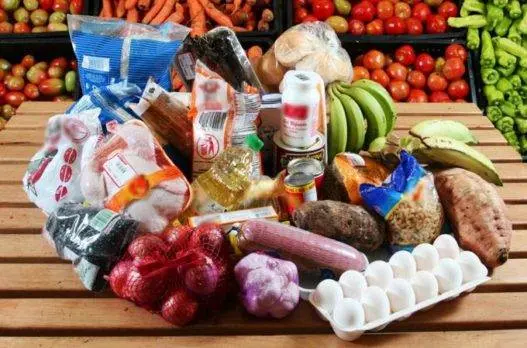
Foods that have increased in price
Fresh chicken
Yucca
Green bananas
kneaded bread
Salami

Products that have dropped in price
On the other hand, some foods showed a decrease in their prices, contributing to moderating the group’s inflation according to the monthly report presented by Pro Consumidor, in its weekly survey:


Garlic
Avocados
Sour lemons
Soybean oil
Oranges
Onions
The study indicates that monthly underlying inflation was 0.30% in July, with year-on-year inflation at 4.19% in that month, also within the target of 4.0% ± 1.0%.
This indicator allows for clearer signals to be drawn for the conduct of monetary policy, since it excludes some items that do not normally respond to liquidity conditions in the economy,