 Smaller
 Bigger
Wake the books: A Dominican literary reckoning

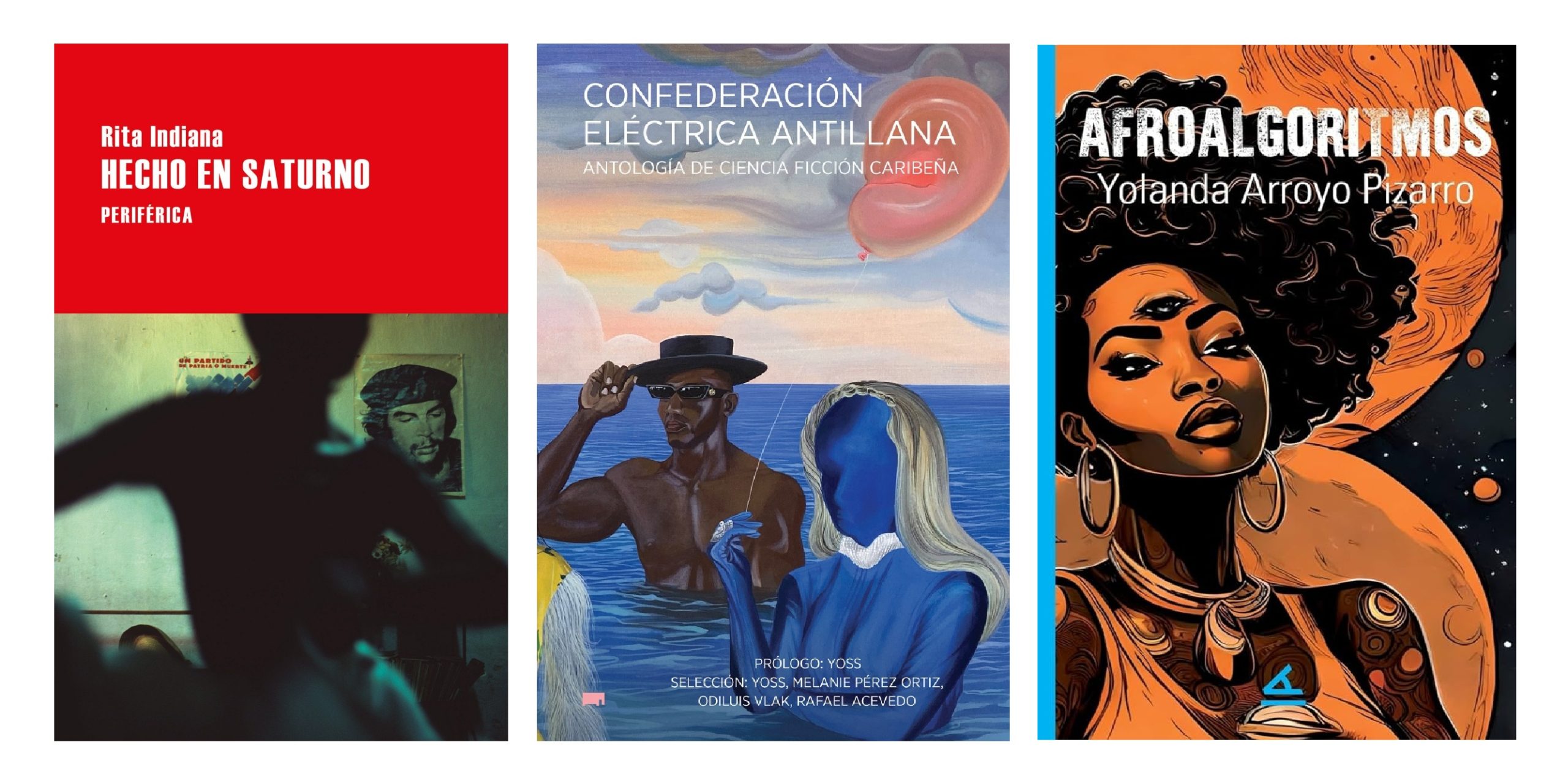
Are we ready to catalyze the book industry in the Dominican Republic and place our cultures at the center of the Caribbean’s literary stage?
After several months away from this series of essays I’ve written over the years about our sector, I return with renewed observations and firmer conclusions on our capacity to activate book circulation in the Dominican Republic—and on new findings that demand action.
At the 2025 edition of the Festival de Escritura Dominicana (FESD), I observed elements that are decisive for building—or rebuilding—a viable book industry here. After my visit to the Guadalajara International Book Fair in November 2024, it became clear that the problem in the DR is not a broken publishing system so much as a chronic complacency: a recurring festivity that keeps us celebrating but not advancing. That festivity has stopped us from taking the strategic, business-minded strides required to form a competitive cultural and entrepreneurial ecosystem.
The failure is not primarily about how culture is viewed as commerce by publishers, bookstores, and distributors. Rather, the failure lies in how literature and art are widely conceived—especially by those of us who manage and live inside this cultural ecosystem—and in how we have related to one another for decades.
From my perspective, three core obstacles block effective book circulation—and, consequently, reading—locally and beyond our borders:
-
The absence of robust organizational structures across cultural units, public and private alike.
-
Insufficient financing—both public and private—which is essential for sustained cultural management.
-
The human factor: the people who execute cultural policy and projects. This is the decisive element for achieving results.
I propose what I call leading art—or lead the art management: a holistic, practical, and actionable approach to cultural management. It demands strong organizational design, clear methods and workflows, higher team performance, internal information systems, and disciplined processes—exactly the features of any high-performing industry. If Caribbean literatures (including Puerto Rico, Haiti, Cuba, and Venezuela) are to innovate and make a decisive leap in visibility and readership, we must professionalize how we manage culture.
Raising the professionalism of those who run cultural institutions is not an optional luxury; it’s a prerequisite for catalytic growth. So why has it been so hard to adopt modern management practices in a globalized world? Because culture resists being molded by business-as-usual; and because we have tolerated disorganization as if it were tradition.
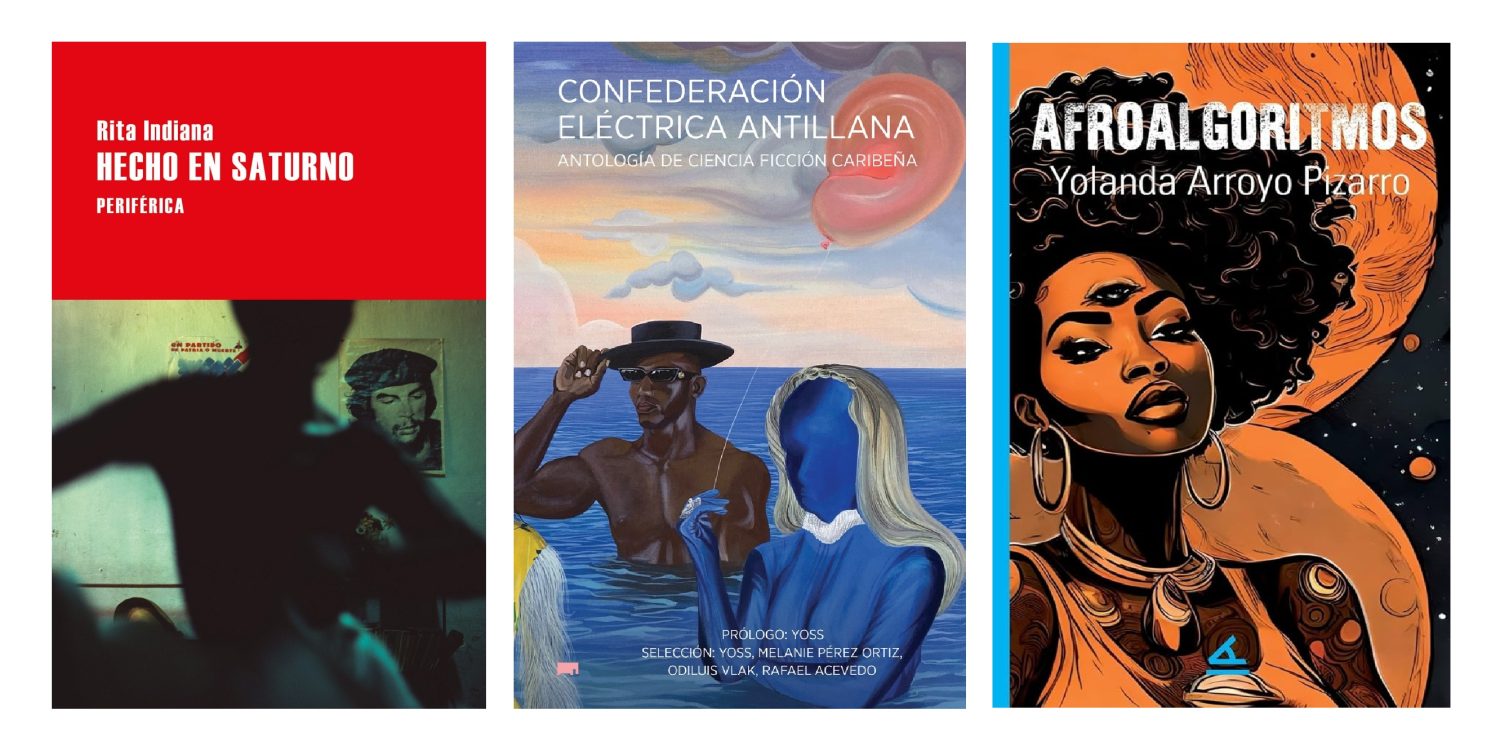
Culture in the Caribbean is a systemic, volatile force: it moves up and down, back and forth. Everyone involved depends on it—and yet we have failed to reinvent our literary infrastructures. At CuentaRD and FESD we see this clearly: our culture does not take flight because we have not committed to doing the hard, disciplined work that sustains growth. We repeat elementary mistakes as if they were part of folklore—“elemental, my dear Watson”—and that complacency blocks progress.
This human component is the greatest risk. How can the very need to “do things well” become the obstacle to growth? Because insiders remain trapped by their own conflicts and patterns. Talent and capacity exist; what we lack is the will to confront internal dysfunction, to redesign processes, and to build structures that can scale.
Ultimately, the single metric that will unlock these countries’ cultural development—including the Dominican Republic as our case study—is simple: more and better readers. We must leave future generations a culture in which reading and writing are habits, disciplines, and refuges. That requires concrete infrastructure: professional management, sustainable funding, measurable goals, and programs that create lifelong readers.
Can we move, in the short term, to stages of real innovation in Dominican literature? Will we finally choose strategy over ritual, organization over improvisation, and accountability over good intentions?
The time for polite debate is over. If we want Dominican literature—and Caribbean literature more broadly—to expand its reach, we must stop treating culture as a perpetual festival and start treating it as an industry that deserves rigor, investment, and leadership. That is the only way we will see meaningful increases in production, circulation, readership, and lasting cultural impact.
Are you ready to move forward?
______________
By Roxanna Marte
Literary Agent, Cultural Manager, Writer
Autores del Caribe Literary Agency
Founder of FESD
Cultural Director of the CuentaRD Literary Project