 Smaller
 Bigger
Health Rise in respiratory syncytial virus infections reported
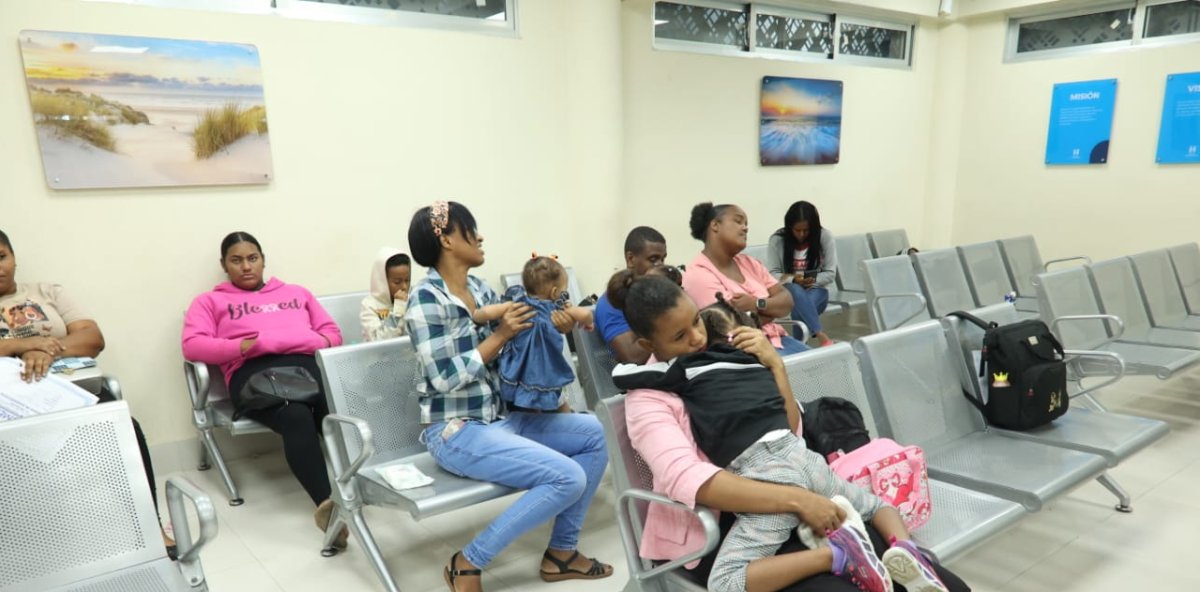
Health authorities pointed out that simultaneous co-circulation of other conditions also persists.
Although it did not specify an exact figure, the Ministry of Public Health reported that during Epidemiological Week 47, there was a “notable increase” in respiratory syncytial virus (RSV), which reached its highest level of the year and far exceeded the values observed in 2024.
“This behavior is manifested in a significant increase in pediatric consultations and hospitalizations, particularly for bronchiolitis and pneumonia, and is associated with an earlier, more intense, and longer-lasting epidemic pattern in 2025,” the institution stated through Epidemiological Bulletin #47.
He added that, in addition, simultaneous co-circulation, at low to moderate levels, of influenza A(H3N2), influenza A(H1N1)pdm09, influenza B/Victoria, SARS-CoV-2, adenovirus, metapneumovirus, and parainfluenza is maintained.
“The concurrence of multiple viruses increases the risk of coinfections, exacerbates chronic respiratory diseases (asthma, COPD, heart disease,) and raises the likelihood of complications and hospitalizations in vulnerable people,” Public Health warned.
Other diseases
Similarly, he assured that no new cases of cholera, dengue, or COVID-19 were reported, so these diseases remain “under control and subject to mandatory notification.”
“The cumulative number of dengue cases up to Epidemiological Week 47 is 273 confirmed cases, figures that represent a significant decrease compared to the same period in 2024, when there were 1,315 confirmed cases,” the document states.
Regarding malaria, he said three new cases were registered, bringing the total to 836 confirmed cases. Active transmission is concentrated in Azua, San Juan, Elías Piña, Santo Domingo, and Independencia, with persistent outbreaks linked to rural-urban corridors, agricultural activities, and environmental conditions that support the mosquito vector’s survival.
Meanwhile, Public Health reported one new case of leptospirosis, bringing the total in the country to 156.
“This zoonotic disease exhibits behavior closely linked to rains and floods, which increase the population’s exposure to contaminated water, waterlogged soils, and environments favorable to the proliferation of rodents,” he stated.
Maternal and infant deaths
The institution also reported four maternal deaths, a figure similar to that recorded during the same period in 2024, reflecting stability in weekly mortality. The year-to-date total is 156 maternal deaths, slightly lower than the 163 reported in 2024, representing a 4% decrease. Of these, 66 were Haitian women, and 90 were Dominican women.
“During this Epidemiological Week, 29 infant deaths were reported , bringing the total number of these deaths in the country to 1,661. The provinces with the highest number of reported cases are Santo Domingo, Santiago, and the National District, territories influenced by factors such as high population density,” he stated.