Bayaguana.- President Luis Abinader inaugurated the Bayaguana–El Puerto highway, settling a decades-long infrastructure debt to communities historically isolated by the absence of a safe, efficient road. The project reshapes regional connectivity by opening new routes between provinces and forming part of a 103-kilometer corridor that links the Eastern Region with the Northeast—connecting Higüey and El Seibo to Sánchez Ramírez, San Francisco de Macorís, María Trinidad Sánchez, and Samaná—without passing through Santo Domingo.
Public Works Minister Eduardo Estrella said the highway reduces travel times, improves road safety, and strengthens economic exchange among agricultural, commercial, and tourist communities. In Monte Plata province alone, 27 infrastructure projects are underway, adding more than 100 kilometers of roads that enhance links between the Central Cibao and the Northeast.
The highway directly benefits communities including El Mamón, Libonao, Los Manantiales, La Lima, Las Cañas, Majagual, El Puerto, Gonzalo, Bayaguana, and Copey, easing access to health, education, and commerce while lowering transport costs. It also boosts production of citrus, cocoa, livestock, ginger, and honey, and improves access to religious and ecological destinations such as the National Sanctuary of Santo Cristo de los Milagros.
After more than 30 years of waiting, local leaders hailed the project as a milestone for regional integration. Complementary works included the paving of 2.3 kilometers of urban streets in Bayaguana and Copey—where residents celebrated their first paved roads—bringing total completed works to 22.6 kilometers. The main roadway spans 20.3 kilometers with two 3.65-meter lanes, sidewalks, drainage, signage, and an 80 km/h design speed.
Together with the Villa Riva highway, inaugurated the same week, the Bayaguana–El Puerto road marks a turning point in connecting the East and Northeast, dismantling long-standing barriers and redrawing the Dominican Republic’s interprovincial map.
 Smaller
 Bigger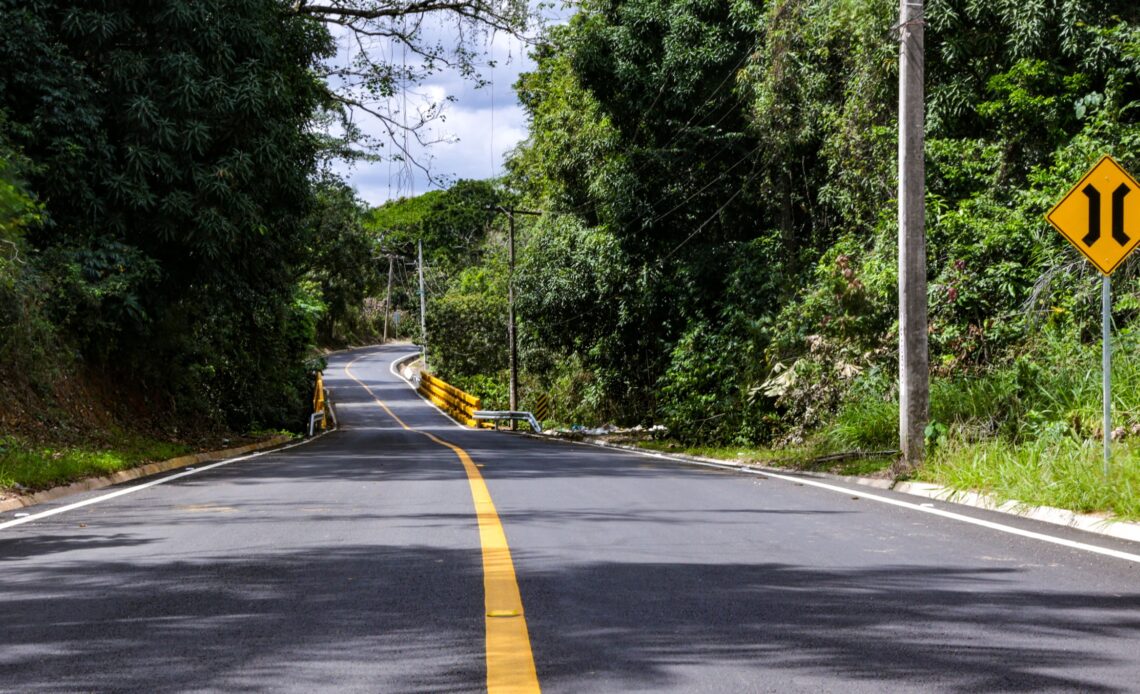


















What almost always seems to be lacking, with some exceptions, is these informational articles omit a map to provide the reader with a visual support that helps the reviewer understand the content.