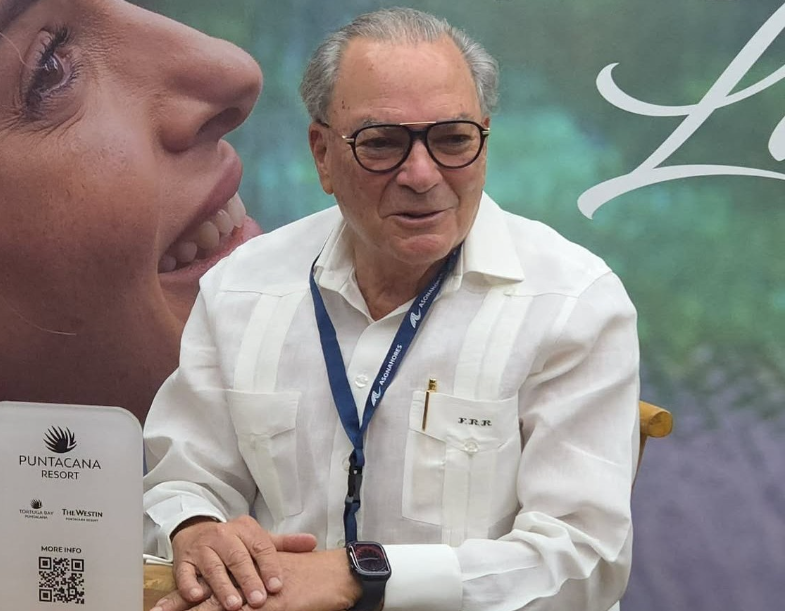
Speaking during the Dominican Annual Tourism Exchange 2026 organized by the Association of Hotels and Tourism of the Dominican Republic, Rainieri said the rapid expansion of tourism infrastructure in Punta Cana has created traffic congestion, mobility challenges, and pressure on public services. He argued that the government has not acted firmly enough to regulate construction and guide sustainable urban planning in key tourism zones.
Rainieri emphasized that the Punta Cana tourism model cannot be replicated across the entire country. Instead, he encouraged the development of specialized tourism niches tailored to each destination’s identity. He highlighted destinations such as Puerto Plata, Cabarete, and Samaná as examples of areas creating differentiated tourism experiences to attract visitors.
The tourism leader also stressed that long-term tourism growth in the Dominican Republic must be supported by improved infrastructure, including highways, airport access, transportation systems, and urban mobility planning. He warned that increasing traffic congestion in eastern tourism corridors could affect both residents and visitor experience.
According to Rainieri, the continued construction of residential and tourism developments without adequate planning—such as road access, wastewater treatment facilities, and essential public services—risks making growth unsustainable. He called on national and local authorities to strengthen regulation of the real estate and tourism sectors to preserve competitiveness, protect quality of life, and ensure sustainable development in the Dominican Republic’s tourism industry.