During the ceremony in Salcedo, the president announced a year-long program of national and international activities to commemorate Mirabal’s life and contributions to democracy. Abinader described her as a courageous and visionary leader whose fight helped pave the way for democratic change in the country.
Before the event, Abinader, First Lady Raquel Arbaje, and other officials laid a wreath at the Mirabal Sisters House Museum, where the remains of the Mirabal sisters rest. The president recalled that despite persecution and imprisonment, Minerva never abandoned her ideals or her commitment to freedom.
Mirabal, together with her husband Manuel Aurelio Tavárez Justo, was an active member of the June 14th Revolutionary Movement, adopting the clandestine name “La Mariposa.” She was assassinated alongside her sisters Patria Mirabal and María Teresa Mirabal on November 25, 1960, a crime that became a symbol of resistance against the regime.
Representing the family, Minou Tavárez Mirabal thanked the government for supporting the centennial commemoration through Decree 117-26, which promotes initiatives highlighting Minerva Mirabal’s political, intellectual, and human legacy. The event also included the announcement of national student contests and the opening of the exhibition Mirabal Sisters: A Century Later.


 Smaller
 Bigger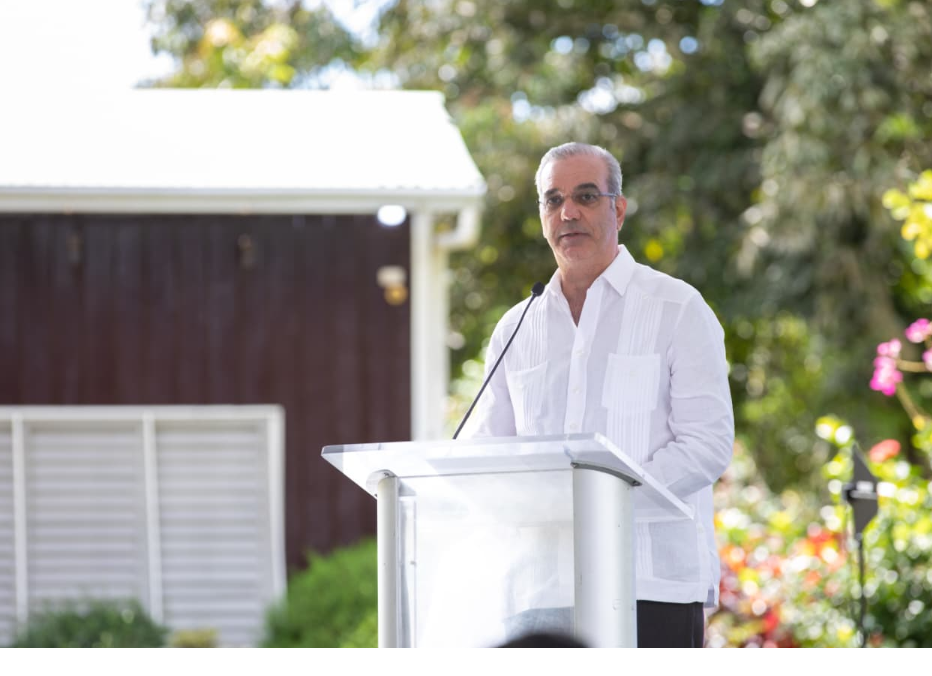














The Museo Hermanas Mirabal in Tenares/Salcedo is a nice daytrip from Santiago. It is worth a visit. Their home and surroundings have been converted into a museum celebrating their lives and mortal sacrifice under the Trujillo regime. The well-kept garden surrounding the house is charming. It includes a path of posters documenting the sister’s history. There is a small cafeteria, bookstore, and giftshop on site. There is an off-street parking area at the rear of the grounds. Across the main street from the museum is a parada offering a restaurant, buffet, cheeses, and souvenirs.